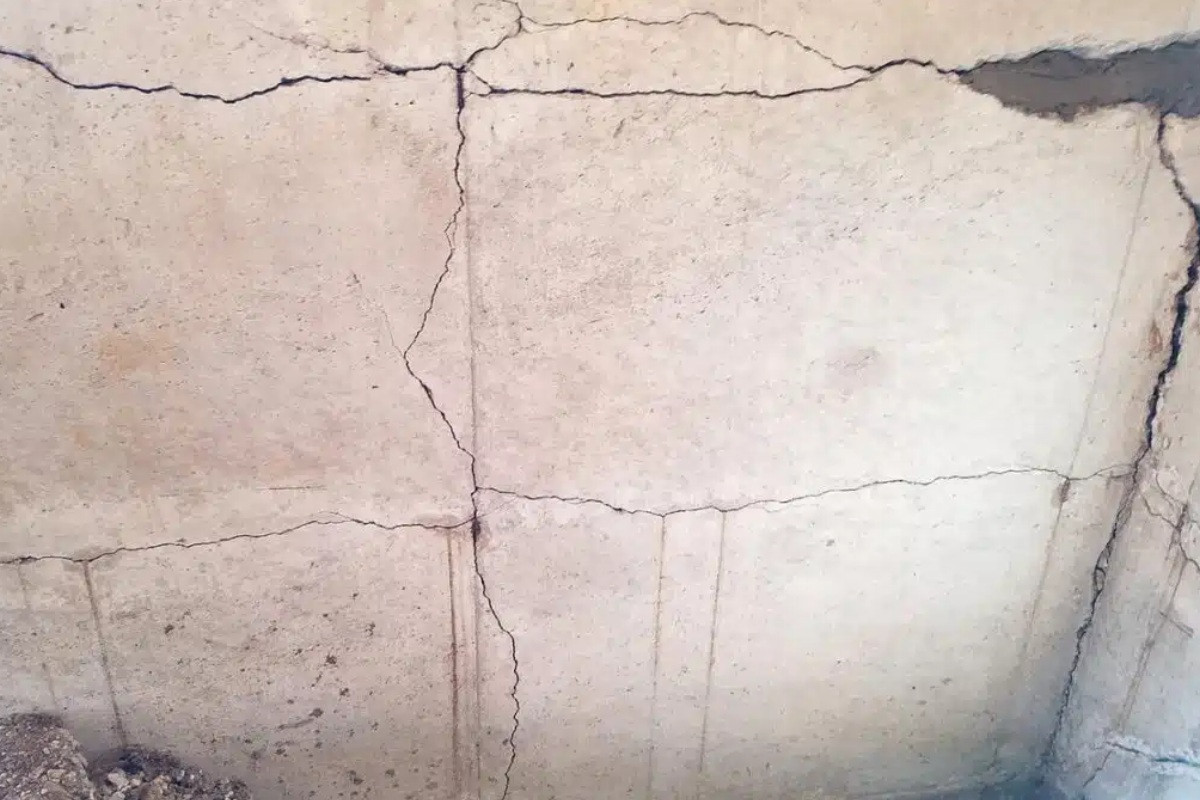
Cracks, bowed walls, and floors that shift up or down are signs your foundation needs attention. The right fix holds the structure in place without causing further damage, which is why so many owners ask how to stabilize basement walls correctly.
At Foundation 1, we match the method to the problem, using piers for vertical movement and heavy steel beams for walls that bow inward. Here is how each approach works and when you need it.
How We Stabilize Basement Walls
Different foundation problems call for different fixes. We first identify whether your walls are settling vertically or bowing inward, then choose the method that solves it. The main approaches we use include:
- Piers to stabilize a foundation that is settling up or down
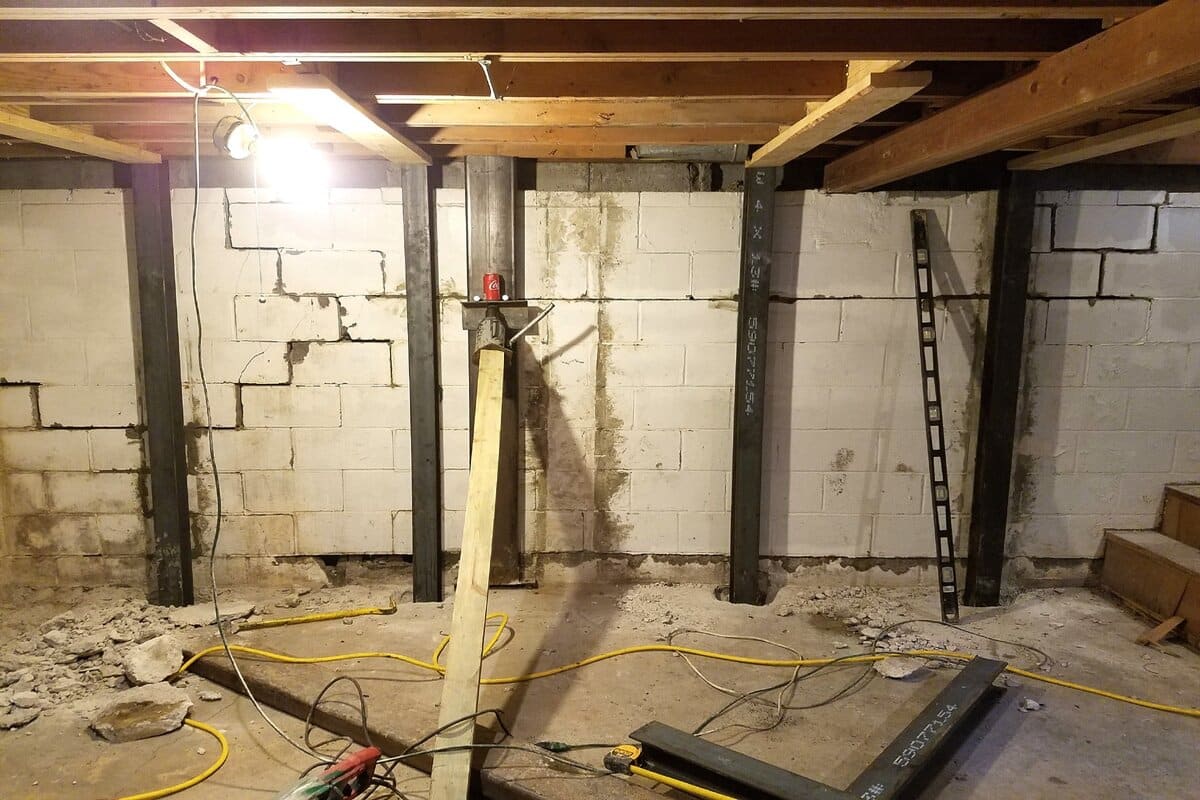
- W13 steel beams to brace and push back a wall that bows inward
- Girder beams tied into your floor joists to support the center of the home
Piers for Vertical Settlement
When a foundation moves up or down, we install a pier to secure it right where it sits. This matters most for a home that has already been remodeled. Lifting a settled section can crack the finishes you just paid for, so stabilizing it in place protects that investment.
Steel Beams for Bowing Walls
For a wall that bows inward, we install W13 steel grade beams to hold it and, when needed, push the wall back into position. We also use a horizontal girder beam that connects directly to your floor joists. Instead of running across the space, it ties into the joists to keep the wall from moving in or out and to support the middle of the house.
Key Takeaway: Vertical movement calls for piers, and bowing walls call for steel beams. Matching the method to the problem is what makes a repair last.
Why Our Beam Choice Sets Us Apart
The beam we set against your wall decides whether the repair holds.
Bigger, Thicker W13 Steel
We use W13 beams, which are larger and thicker than the smaller beams many companies around the city install. A heavier beam holds more weight and stands up to the pressure of a bowing wall over time. Choosing the W13 is one of the clearest things that set our foundation repairs apart.
Repairing Failed Beam Installations
We have been called into several homes where another company installed smaller beams and the wall kept coming in. An undersized beam bends under the load, and the job has to be redone. That often means pushing the wall back again and replacing the beam with a larger one that can carry the weight.
Pro Tip: Before you approve a wall repair, ask which beam size the contractor uses. A larger beam costs more up front and saves you from paying for the same repair twice.
Need expert help to stabilize your basement walls? Contact Foundation 1 for a free consultation.
Check Your Foundation Before You Invest
Timing your repair correctly saves money.
When to Stabilize Basement Walls
The best time to stabilize basement walls is before you spend on a remodel. If you are rehabbing your home or already noticing movement, have the foundation looked at first. A foundation check up front shows exactly what needs attention before the first dollar goes into new finishes.
Protect Your Money From the Start
Putting new finishes over an unaddressed foundation problem means spending money on top of money that still needs to be spent. An evaluation first keeps you from going backward and redoing the same work later.
Key Takeaway: Have your foundation evaluated before any remodel, so your money goes toward a lasting fix instead of repairs you redo later.
Settling or Bowing? Let’s Stabilize It
Foundation problems only get worse when ignored, and the right repair depends on whether your walls are settling or bowing. Our team matches proven methods and heavy-duty W13 steel to your situation, so the fix holds for the long term. Contact Foundation 1 today for a free inspection and a clear, lasting plan to stabilize basement walls and protect your home for years to come.