Most cracks in poured concrete basement walls are non-structural and can be sealed with injection. Epoxy and polyurethane do different jobs. Epoxy vs polyurethane crack injection comes down to three factors: whether the crack leaks, whether the wall moves, and whether the crack carries structural stress.
Our team has repaired foundation cracks across Kansas City since 2001. This guide covers how each material works, when to use it, and when a crack needs more than injection.
What is Crack Injection?
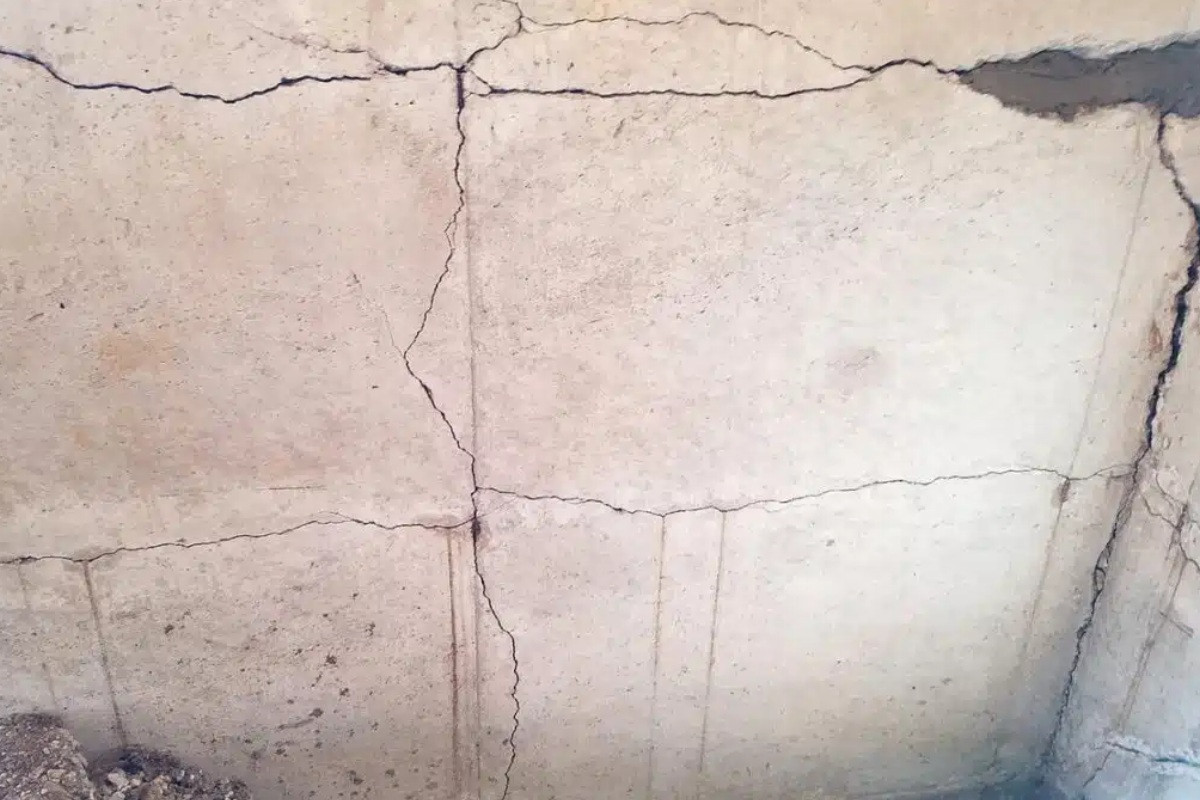
Foundation crack injection fills a crack through the full thickness of the wall with a liquid material that hardens in place. The crack surface is sealed, injection ports are set along its length, and the material is injected under pressure until the crack is full. You can compare other methods in our post on repairing basement cracks.
This repair is made for poured concrete walls. In concrete block walls, injected material runs into the hollow cores, so block foundations need other fixes, such as interior waterproofing or wall repair.
Epoxy vs Polyurethane Crack Injection: How Each Material Works
Epoxy: A Rigid Structural Bond
An epoxy is a two-part resin that cures hard. It bonds both sides of the crack back together, and the cured repair can be stronger than the concrete around it.
Epoxy needs a dry or nearly dry crack to bond. It also has no flex, so if the wall keeps moving, new cracks can form next to the repair.
Polyurethane: A Flexible Waterproof Seal
Polyurethane reacts with water and expands into a dense foam that fills gaps deep in the crack. Water in the crack helps that reaction, which makes polyurethane the standard choice for active leaks.
The cured foam stays flexible and handles small seasonal movement. It seals out water and adds no structural strength to the wall.
Pro Tip: Mark both ends of a crack with a pencil and write the date beside it. If the crack grows past your marks within a few weeks, the wall is still moving and needs an evaluation before any injection.
Epoxy vs Polyurethane Crack Injection at a Glance
| Factor | Epoxy | Polyurethane |
| Main job | Structural bond | Water seal |
| Cured state | Rigid | Flexible |
| Wet cracks | Bonds poorly | Water helps it expand |
| Wall movement | Cannot flex | Handles minor movement |
| Best for | Dry, stable cracks | Leaking, non-structural cracks |
Which Injection Does Your Crack Need?
Start with two checks: does the crack leak, and is the wall moving? Our guide on how to tell if a foundation crack is structural covers the warning signs in more detail.
Choose Polyurethane When
- Water seeps or drips through the crack after rain
- The crack runs vertically or diagonally and stays narrow
- The wall shows no bowing, leaning, or shifting
Choose Epoxy When
- The crack stays dry year-round
- An engineer wants the wall’s strength restored
- The wall is stable or has already been braced
Key Takeaway: Neither material can hold back a wall that is still moving. Stabilize the wall first, then seal the crack.
When a Crack Needs More Than Injection
Injection seals a crack and leaves the cause untouched, so some cracks need structural work first.
Horizontal Cracks and Bowing Walls
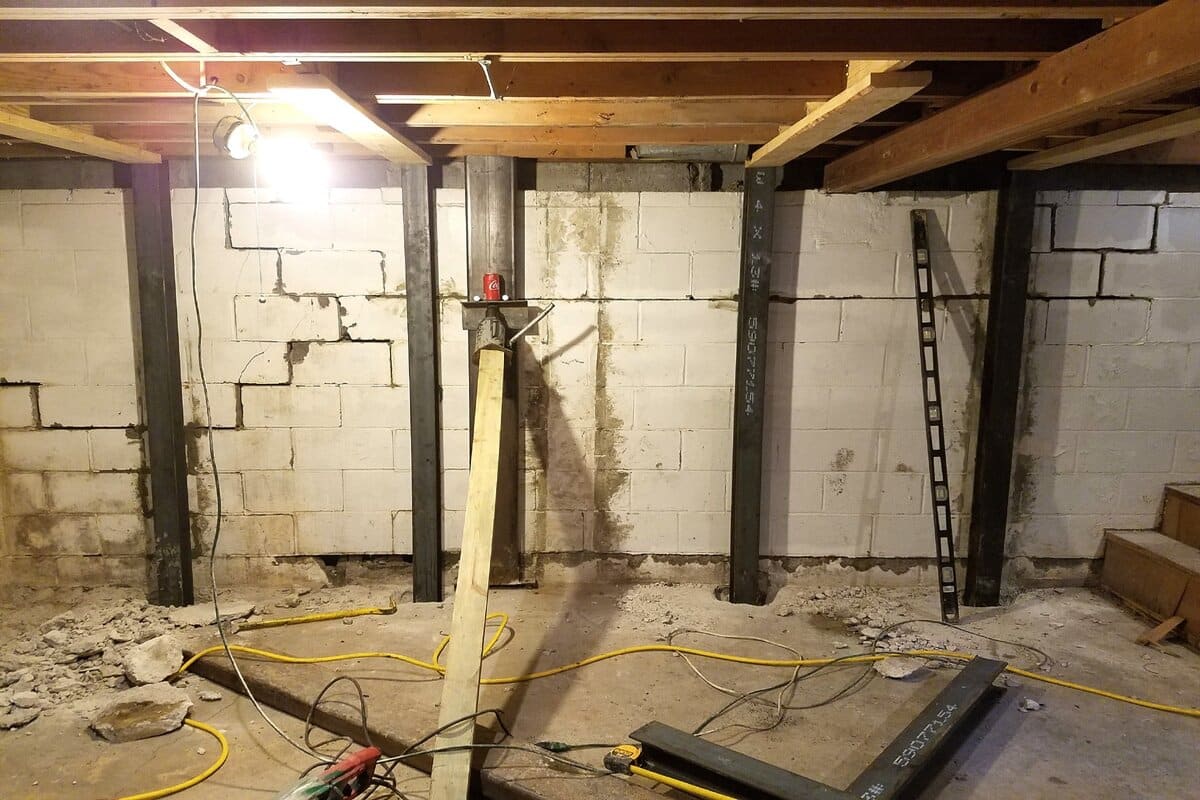
A horizontal crack in a basement wall often means soil is pushing the wall inward. Injection alone will not hold that wall back. The wall needs basement wall stabilization first, and the crack can be sealed afterward. Learn more about fixing a bowing basement wall.
Stair-Step and Widening Cracks
Stair-step cracks run along the mortar joints of block walls, and cracks in any wall that keep widening often point to foundation settlement. Foundation piers move the home’s weight onto stable soil and address the cause. Injecting first only hides the symptom.
Why Kansas City Soil Matters
Much of the Kansas City metro sits on expansive clay that swells when wet and shrinks when dry. Freeze and thaw cycles add more movement each winter.
That constant shifting is why we check for wall movement before choosing a material, and why flexible polyurethane holds up well on leaking cracks here.
How Much Does Crack Injection Cost?
Minor crack injections often come in under $500. The final price depends on:
- Crack length and the number of cracks
- Wall access, such as finished drywall or stored items
- Active leaking that needs extra prep
- Added work, such as wall bracing or piers
A free inspection gives you an exact number for your home. Our foundation repair pricing page covers costs for other repairs.
Need expert help with a cracked or leaking foundation wall? Contact Foundation 1 for a free inspection.
DIY Kits vs Professional Crack Repair
Store-bought epoxy and polyurethane injection kits can handle small, non-structural cracks in poured walls. When a homeowner’s repair fails, the cause is usually one of these:
- The material never filled the crack through the full thickness of the wall.
- The wrong material was used for the crack type.
- The wall was still moving, or the soil or water pressure behind it was never addressed.
A professional repair includes a diagnosis of why the crack formed, the right equipment, and a warranty on the work.
Pro Tip: Check the crack after a heavy rain before you buy a kit. A crack that looks dry in August may leak in spring. Use our guide to finding a foundation leak to trace the source.
How Foundation 1 Repairs Basement Cracks
Every crack repair starts with a visit from one of our engineer-certified evaluators. We check whether the crack leaks, whether the wall is moving, and what caused the damage. Our crack repair systems use polyurethane to stop leaks and epoxy to restore strength, paired with other wall repairs when needed.
You then get a written proposal in plain language. If the wall needs bracing or piers first, we explain why. If a simple seal will do, we say so.
Our repairs are backed by strong warranties, and a live person answers when you call.
Frequently Asked Questions
Is Crack Injection a Permanent Fix?
On a stable poured wall, a properly filled injection should last for many years. If the wall is still moving, the crack can reopen, so the cause needs to be fixed first.
How Long Does Crack Injection Take?
Most crack injections are finished in a single day. Larger jobs that include wall bracing or piers take longer, and your proposal will list a clear timeline.
Get the Right Crack Repair the First Time
Leaking cracks need a flexible seal, dry structural cracks need a strong bond, and some cracks need stabilization or piers before any injection. Matching the repair to the cause is what makes it last.
If you have a crack in your basement wall, schedule a free inspection or call 816-682-8440. Our evaluators will look at your wall and help you decide whether epoxy or polyurethane crack injection is the right choice for your home.