Gutter guards really do work, with limits every Kansas City homeowner should know before buying. Each fall, we hear from homeowners who installed guards and still deal with overflow or a wet basement.
Our team has repaired foundations across the metro since 2001. We see what happens when gutters overflow onto clay soil. This guide covers how each guard type performs, how to choose the right one, and how to tell if guards make sense for your home.
The Main Types of Gutter Guards
Micro-Mesh and Screen Guards
Micro-mesh uses a fine stainless steel or aluminum screen. It blocks leaves, maple seeds, and shingle grit, which is why many contractors consider it the most effective all-around option.
Basic screens have larger holes, so smaller debris can slip through and settle in the gutter.
Reverse-Curve Guards
These solid covers guide water around a rounded lip and into the gutter. Leaves slide off the front edge.
They depend on precise installation and roof pitch. In a hard storm, fast-moving water can shoot past the lip, especially on steep roofs.
Foam and Brush Inserts
Foam and brush inserts sit inside the gutter channel. They are easy to install.
Over time, they can trap dirt and pollen, hold moisture, and grow mold or even sprout seedlings. Many foam inserts last only a few years.
Pro Tip: If cottonwoods grow near your home, expect seed fluff in late spring, often May into June. It can mat on top of fine mesh, so plan a quick brush-off once it settles.
Do Gutter Guards Really Work? The Honest Pros and Cons
What Gutter Guards Do Well
- Fewer cleanings. A good guard can cut down how often your gutters need a full cleaning.
- Safer upkeep. Fewer ladder trips matter on two-story and steep roofs.
- Fewer pests. Covered gutters can give birds, rodents, and mosquitoes fewer places to nest or breed.
- Less strain on fascia. Keeping heavy, wet debris out reduces sagging and rot.
Where Gutter Guards Fall Short
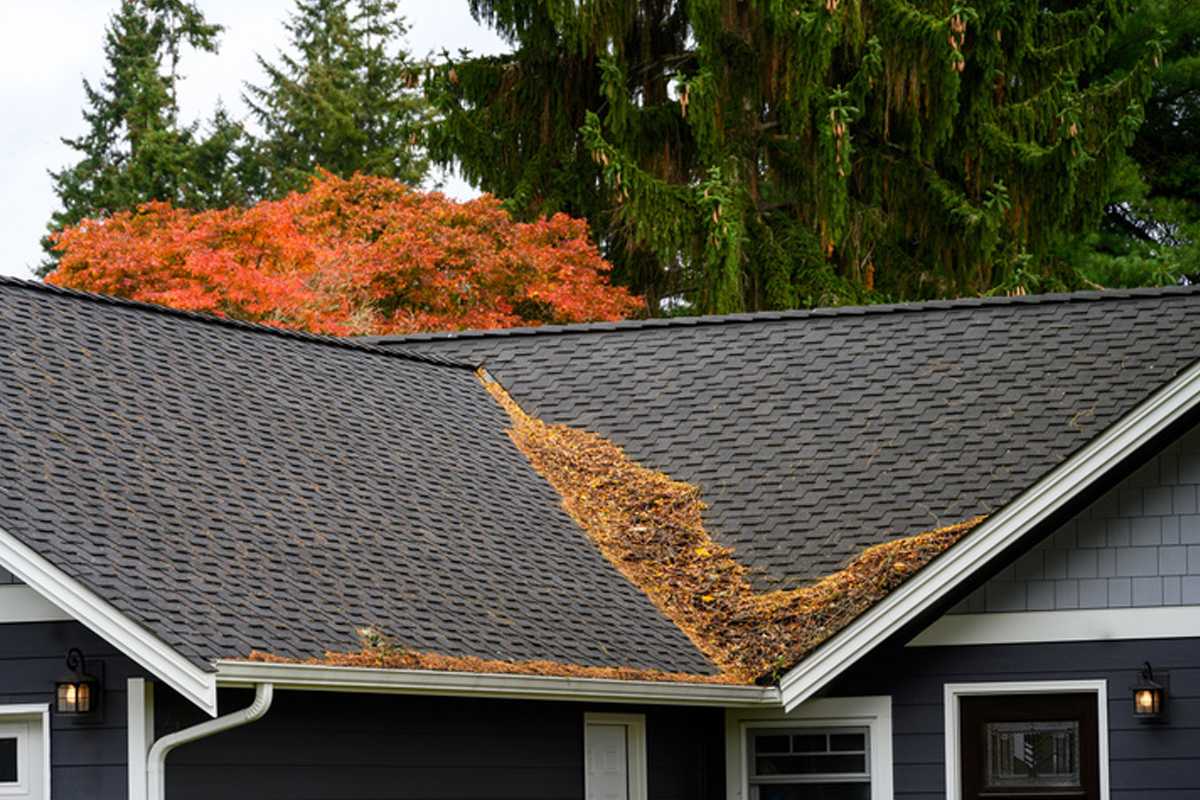
- They still need maintenance. Pollen, seeds, and roof grit can form a mat on top of the guard.
- Heavy rain can overshoot. Intense downpours can push water past some guards, especially reverse-curve styles or guards covered by a debris mat.
- Ice can build up. Snow and ice may sit on the guard and along the roof edge.
- Roof warranty concerns. Some guards slide under the first row of shingles, which may affect your roof warranty. Check with your roofer or shingle manufacturer first.
Key Takeaway: Gutter guards cut cleaning time. Your foundation still depends on downspouts and grading that carry water away from the house.
What Happens to Your Foundation When Gutters Overflow
A 1,000-square-foot roof sheds about 600 gallons of water in one inch of rain. When gutters clog or overshoot, that water drops straight down beside your foundation.
Why Kansas City Clay Makes It Worse
Most of the metro sits on expansive clay soil. It swells when wet and shrinks as it dries.
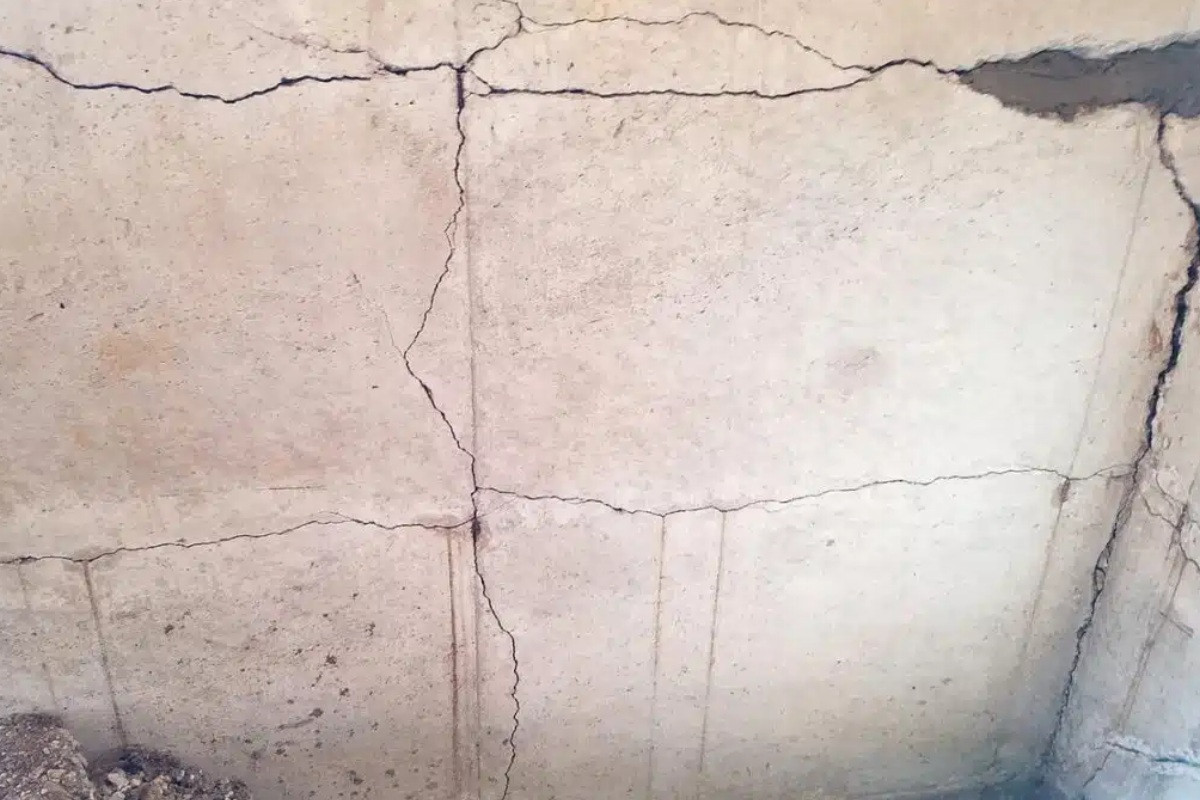
Saturated clay presses against basement walls with hydrostatic pressure. Repeated wet and dry cycles lead to settling, bowing walls, and cracks. Fixes can range from foundation piers to wall stabilization and crack repair.
Warning Signs Your Gutters are Hurting Your Foundation
- Trenches or washed-out mulch under the roofline
- Water in the basement after storms
- White, chalky residue (efflorescence) on basement walls
- New horizontal or stair-step cracks
- Gaps between the soil and foundation in dry months
Problems Gutter Guards Can’t Fix
We often find guards blamed for bigger drainage issues. A guard won’t solve:
- Undersized gutters. Many homes have standard 5-inch gutters. Upgrading to 6-inch gutters with larger downspouts can move more water.
- Short downspouts. Drainage guidance commonly calls for discharge at least 4 to 6 feet from the house, and up to 10 feet on flat lots.
- Poor grading. Soil should slope away from your foundation.
- Too few downspouts. Large roof sections may need an extra outlet or a better drainage system.
If water keeps reaching your foundation, a French drain, exterior waterproofing, or a sump pump may be the real fix.
Pro Tip: Watch your gutters during the next heavy rain. Water spilling over the front edge usually points to a capacity or pitch problem.
How to Choose the Right Gutter Guard
The right guard depends on what falls on your roof, how steep and tall your home is, and how much upkeep you’re willing to do.
| Guard Type | Strength | Watch Out For | Best For | Best Installed By |
| Foam or brush | Easy to install | Traps seeds and pollen, shorter lifespan | Light debris, short-term fix | DIY |
| Basic screen | Simple design | Lets small debris through | Homes with mostly large leaves | DIY or pro |
| Micro-mesh | Blocks fine debris | Surface needs occasional brushing | Maple seeds, pine needles, shingle grit | Usually pro |
| Reverse-curve | Sheds large leaves | Overshoot in downpours, some mount under shingles | Low-pitch roofs with broadleaf trees | Pro |
Questions to Ask Before You Choose
- What trees are near your home? Pine needles and maple seeds call for fine mesh. Large oak leaves are easier for most guard types to handle.
- How steep is your roof? Steep roofs push water faster, which raises the risk of overshoot with reverse-curve guards.
- Does the guard attach under your shingles? If so, check with your roofer or shingle manufacturer about your roof warranty.
- Are your gutters in good shape? Guards won’t fix sagging, undersized, or poorly pitched gutters.
DIY vs Professional Installation
DIY kits work best on single-story homes with simple rooflines. A pro handles height, pitch, and secure fastening, and often backs the work with a warranty.
Need expert help with gutters or drainage? Contact Foundation 1 for a free inspection. We check your gutters, downspouts, and grading together.
Are Gutter Guards Worth It for Your Home?
When Gutter Guards Make the Most Sense
Guards are most worth it when:
- Mature trees hang over or near your roof
- You have a two-story or steep roof
- You clean your gutters more than twice a year
- Your gutters are properly sized and pitched
When to Fix Drainage First
Hold off on guards if you already have basement water, foundation problems, or downspouts that empty beside the house. Fix the drainage first, then add guards to keep the system flowing.
Key Takeaway: Guards make the most sense on homes with heavy tree cover and a drainage system that already works.
How to Keep Gutter Guards Working
- Spring: Brush off cottonwood fluff and seeds.
- Summer: Watch for overshoot during storms.
- Fall: Clear leaf mats after the main drop.
- Winter: Check for ice at the roof edge and keep downspout outlets clear.
Ask about our Healthy Foundation Service Plan for year-round support.
Protect Your Home From the Roof Down
Gutter guards work best as one part of a drainage system that keeps water away from your foundation.
Foundation 1 offers gutter installation, drainage solutions, and foundation repair across the Kansas City metro. Not sure whether gutter guards make sense for your house? Our team will give you a straight answer during your free inspection.