A horizontal crack across the middle of a basement wall is one of the most common reasons homeowners call us. Expansive clay soil, trapped water, and hard winters explain why basement walls bow in Kansas City. The pressure builds a little more every season. Here’s what causes it, how to tell if your wall is moving, and what fixes it for good.
What a Bowing Basement Wall Means
Why the Middle of the Wall Moves First
The floor framing braces the top of your basement wall. The footing (the concrete base under the wall) and the slab hold the bottom.
Nothing braces the middle. When soil pushes from outside, the wall gives way at mid-height, and a horizontal crack forms.
Block Walls and Poured Walls Fail Differently
- Concrete block walls crack along mortar joints in a horizontal or stair-step pattern and bend inward like a hinge. Many older homes in Raytown and Independence have them.
- Poured concrete walls can crack horizontally and often lean inward at the top. Thin vertical cracks usually come from shrinkage and are less serious.
Why Basement Walls Bow in Kansas City: 6 Common Causes
1. Expansive Clay Soil
Much of the metro sits on clay that swells when wet and shrinks when dry. You can check your address in the USDA Web Soil Survey.
In dry summers, a gap opens beside your wall and fills with loose dirt. When rain returns, the clay swells again, but the gap is now full. The soil has nowhere to go except into your wall.
2. Hydrostatic Pressure
Hydrostatic pressure is the force of water held in the soil. Clay drains slowly, so water presses against your foundation for days after a storm. Good grading, extended downspouts, and exterior drainage reduce the water pressing on the wall. An interior drainage system and sump pump manage the water that gets in and relieve pressure beneath the floor.
3. The Clay Bowl Effect
When your home was built, crews refilled the space around the basement with loose soil called backfill. It soaks up water faster than the undisturbed soil beyond it and holds moisture against your walls like a bowl.
4. Freeze and Thaw Cycles
Water in the soil expands as it freezes. Kansas City’s frost line sits roughly 30 to 36 inches deep, so this force pushes hardest near the top of the wall. Winters here cross the freezing point often, and that push repeats all season.
5. Poor Gutters, Downspouts, and Grading
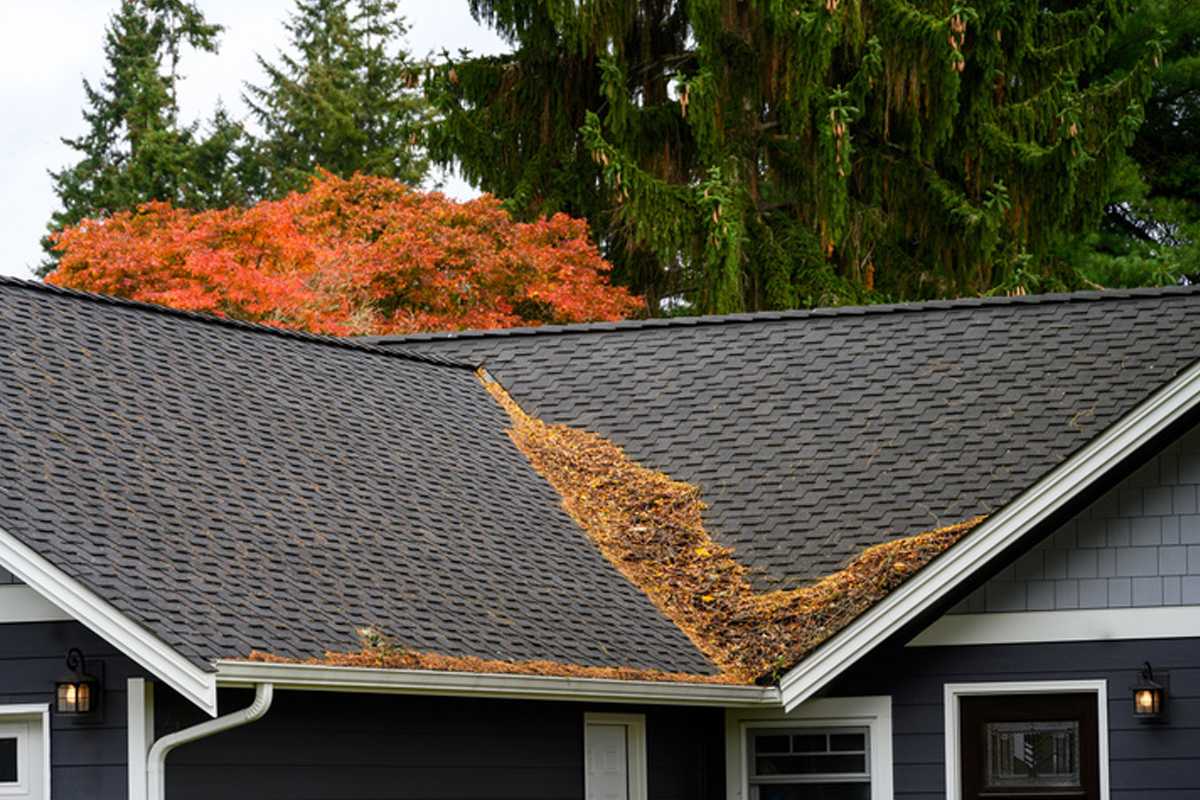
Clogged gutters, short downspouts, and soil sloping toward the house send roof water straight to your foundation. New gutters and a drainage system move it away.
6. Heavy Loads and Mature Trees
Driveways and patios near the foundation add weight to the soil. Mature trees draw moisture from the clay unevenly, so it shrinks on one side of the house and swells on another.
Key Takeaway: Most bowing walls in Kansas City come from a mix of soil movement and water. Lasting repairs address both the wall and the water source.
Warning Signs of a Bowing Basement Wall
Check your basement after a wet spring for:
- A horizontal crack near the middle of the wall
- Stair-step cracks in block walls
- A wall leaning in at the top or sliding in at the bottom (called shearing)
- Gaps between the wall and the floor joists above
- Damp cracks, seepage, or white chalky residue
- Sticking doors or new drywall cracks upstairs
Pro Tip: Mark each end of a crack with a pencil and date it. If it grows past your marks after heavy rain, the wall is still moving. Our crack repair team can take a look.
How Much Bowing is Too Much?
Try the String Line Test
- Place a 1-inch block against the wall at each end, at mid-height.
- Stretch a string tight across the blocks.
- Measure from the string to the wall at the center.
- Subtract 1 inch. That’s how far your wall has bowed.
To check for leaning, hold a 4-foot level or a plumb line vertically against the wall. A gap at the bottom means the top is tipping in. A gap at the top can mean the base is sliding.
What Your Measurement Means
Our evaluators generally use these guidelines as a starting point:
- Thin vertical crack, no measurable bow: This is usually shrinkage. Monitor it and fix your drainage.
- Horizontal or stair-step crack with little or no bow: The wall has started to move. Have it evaluated now, while repairs are simplest.
- Up to about 2 inches of bow: The wall needs stabilization.
- More than 2 inches, or shearing: The wall likely needs straightening or a rebuild.
This guide doesn’t replace an in-person evaluation. If a wall is moving quickly or water is pouring in, call a professional right away.
How We Fix Bowing Basement Walls
Once you know how far the wall has moved, the options narrow down.
Wall Bracing and Stabilization
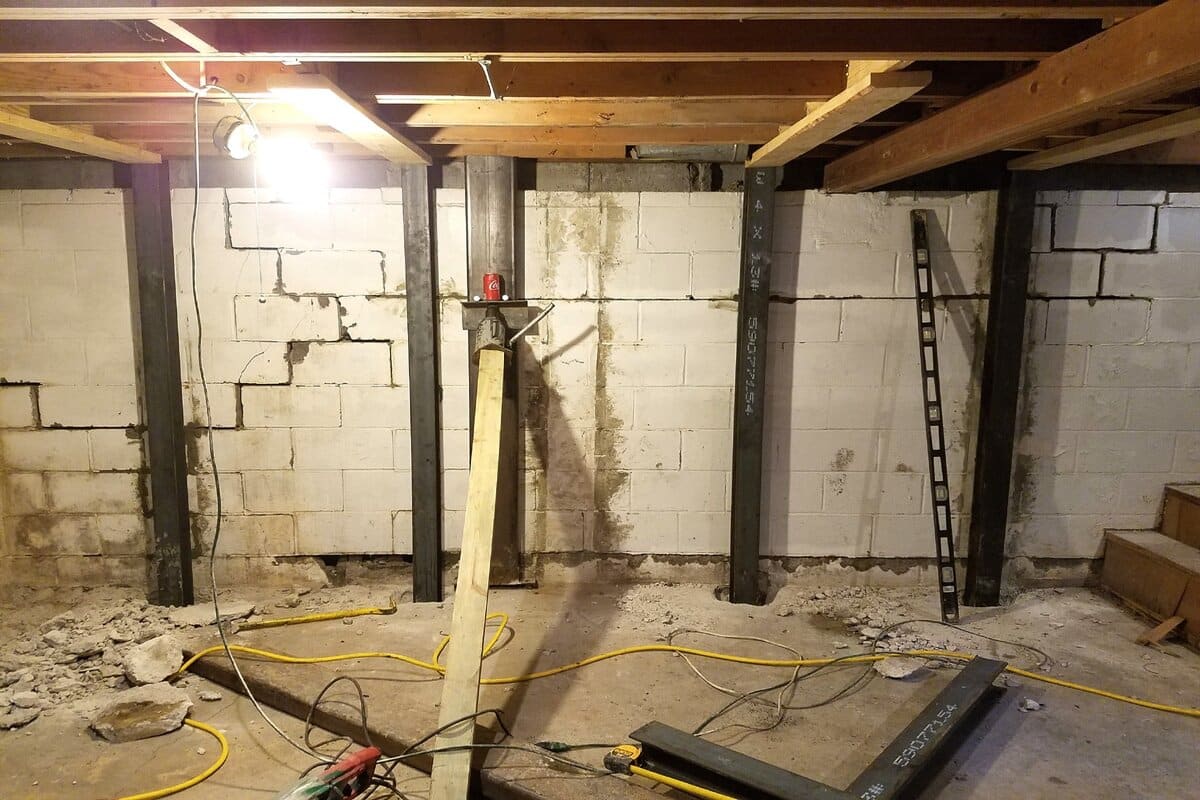
Steel beams attached to the basement floor and the joists above hold the wall in place without digging up your yard. Learn more about wall stabilization.
Wall Anchors
Anchors set in stable soil outside the home connect to plates on the wall. Tightening them gradually may recover some inward movement.
Wall Straightening
We excavate outside, relieve the soil pressure, push the wall back into position, then brace it and add drainage. See our wall straightening process.
Wall Rebuilds
Severely bowed or sheared walls sometimes need rebuilding. We handle poured, block, and stone foundations.
Pro Tip: Caulk or hydraulic cement over a horizontal crack only covers the symptom. The soil keeps pushing behind it.
What Bowing Wall Repair Costs in Kansas City
Foundation repair in the metro typically runs $4,500 to $16,000, and bowing wall repairs fall across that range. Your price depends on the method, the number of walls, how far they’ve moved, and yard access. See our pricing page and financing options.
Need expert help with a bowing basement wall? Contact Foundation 1 for a free inspection.
How to Keep Your Basement Walls From Bowing
- Extend downspouts 6 to 10 feet from the house.
- Grade soil to drop at least 6 inches over the first 10 feet, per the International Residential Code (Section R401.3).
- Clean gutters every spring and fall.
- Lightly water soil along the foundation during long droughts.
- Book yearly checkups through our Healthy Foundation Service Plan.
Bowing Basement Wall FAQs
Is a Bowing Basement Wall Dangerous?
A moving wall can let water in, damage framing, and eventually fail. Stabilizing it early usually costs far less than a rebuild.
Can I Fix a Bowing Basement Wall Myself?
You can handle the water side yourself by cleaning gutters, extending downspouts, and regrading soil. Moving the wall itself is different. Bracing, anchors, and straightening require engineering and the right equipment, and a botched repair can make the movement worse.
Does Homeowners Insurance Cover Bowing Walls?
Usually not. Most policies treat soil pressure as long-term wear. Ask your agent about your specific policy.
Get a Clear Answer From a Local Team
Since 2001, Foundation 1 has helped more than 2,500 Kansas City homes with engineer-certified evaluations and repairs backed by warranties of up to a lifetime, transferable if you sell. Our evaluators are experienced tradespeople who earn no commission on repairs.
We serve Overland Park, Lee’s Summit, Olathe, and the rest of the metro. Schedule your free inspection today, and a local team with 25 years of experience will show you the right fix.