Moisture problems often start where they go unnoticed the longest. A damp or wet crawlspace can lead to mold, wood rot, higher energy bills, and foundation damage long before visible signs appear. Water intrusion below the home affects framing, insulation, and indoor air quality over time. Waterproofing a crawlspace early helps control moisture at its source, protect structural components, and reduce the risk of costly repairs. This guide explains the causes, solutions, and when professional help makes sense.
What a Crawl Space Is and Why It Matters
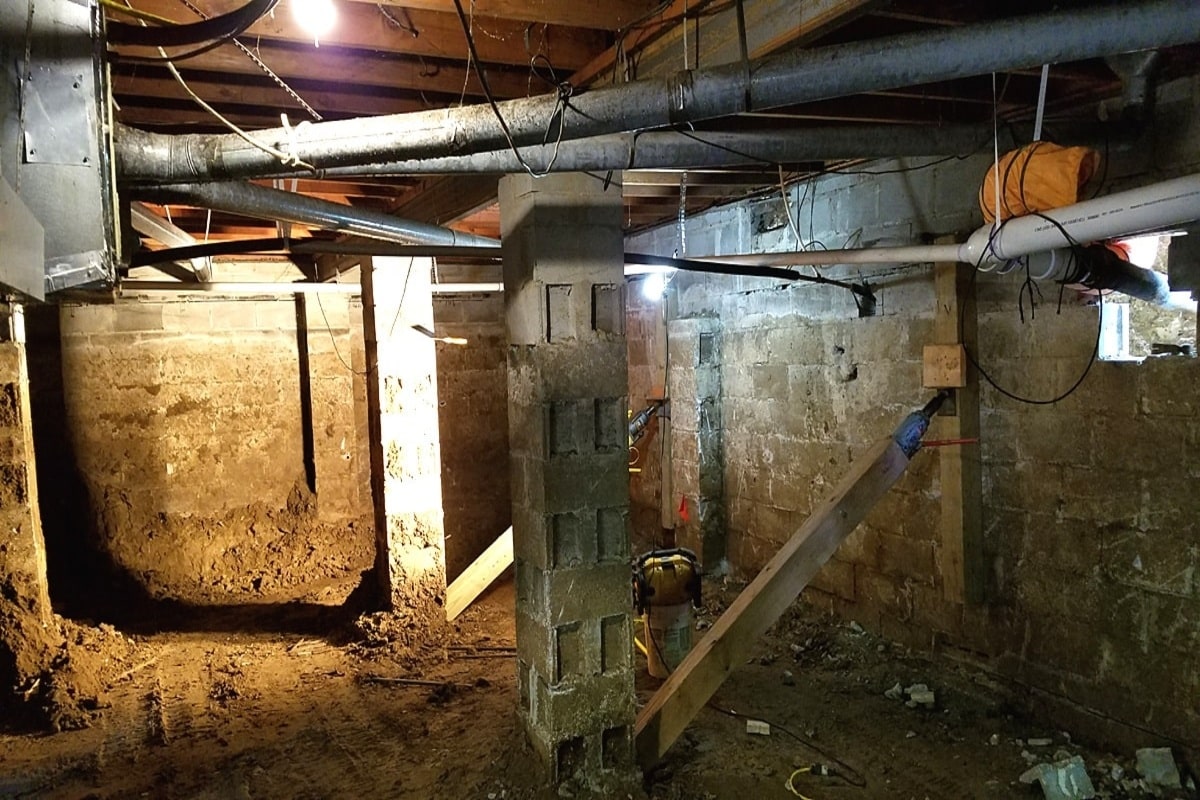
A crawl space is the shallow area between the ground and the first floor of a structure. It houses framing, plumbing, electrical lines, and insulation. When moisture collects here, it affects everything above it.
Excess moisture does not stay contained. It moves upward into floors and walls, impacting indoor air quality and comfort. Our team sees crawl space issues directly tied to sagging floors, mold growth, and premature material failure.
Key Takeaway: A healthy crawl space supports the entire structure. Ignoring it often leads to visible problems elsewhere.
Why Crawlspace Waterproofing Is Not Optional
Water intrusion creates long-term risks that worsen over time. Damp conditions allow mold and mildew to grow on wood framing and insulation. Persistent moisture also attracts pests and accelerates wood decay.
Beyond structural concerns, moisture impacts energy efficiency. Wet air is harder to condition, which drives up heating and cooling costs. Addressing moisture early protects both the structure and ongoing operating costs.
Common Causes of Crawl Space Water Problems
Water problems usually come from multiple sources working together. The most common causes we identify include:
- Poor exterior grading that directs water toward the foundation
- Clogged or missing gutters and downspouts
- High groundwater levels or seasonal saturation
- Open vents allowing humid air inside
- Cracks or gaps in foundation walls and piers
- Missing or damaged vapor barriers
Solving the problem requires addressing the source, not just the symptoms.
Warning Signs Your Crawl Space Needs Attention
Many crawl space issues show up inside the home first. Common warning signs include:
- Musty or damp odors
- Visible mold on joists or insulation
- Standing water or muddy soil
- Soft or sagging floors
- Increased indoor humidity
- Higher energy bills without explanation
Pro Tip: Odors and humidity are often early indicators. Visible water usually means the issue has progressed.
Crawl Space Waterproofing Options That Actually Work
Crawl Space Inspection and Moisture Assessment
Every solution starts with a thorough inspection. We evaluate drainage patterns, moisture levels, and structural conditions. This helps determine whether targeted repairs or a full system installation are needed.
Drainage Solutions for Crawl Spaces
Proper drainage prevents water from collecting under the structure. Depending on conditions, this may include interior drainage channels, perimeter systems, or sump pump installation with a reliable discharge path.
Sealing and Structural Protection
Cracks, joints, and penetrations allow water and humid air inside. Sealing foundation walls, rim joists, vents, and access doors reduces moisture entry and improves system performance.
Crawl Space Waterproofing System Design
A complete crawl space waterproofing approach often combines drainage, sealing, and moisture control into one system. This prevents recurring issues and provides long-term protection.
Key Takeaway: Lasting results come from systems, not single repairs.
Need expert help with crawl space moisture issues? Contact Foundation 1 for a free consultation and professional evaluation.
Crawl Space Encapsulation and Moisture Control
Encapsulation involves sealing the crawl space with a heavy-duty vapor barrier along the floor and walls. This creates a controlled environment that limits ground moisture and outside air intrusion.
Encapsulation is often combined with insulation and humidity control to manage temperature swings and reduce condensation on framing. Proper insulation helps stabilize indoor temperatures, while a dedicated crawl space dehumidifier can provide consistent moisture control in areas with high groundwater or persistent humidity. Together, these components protect materials year-round and support long-term system performance.
Crawl Space Waterproofing vs Temporary Fixes
Surface sealers, fans, and basic plastic sheets may offer short-term relief but rarely solve the root cause. These fixes often fail within a season and allow moisture to return.
Professional systems address water movement, air flow, and vapor control together. This approach costs less over time by preventing repeat repairs.
How Long Do Waterproofing Solutions Last
Well-designed systems last for decades when properly maintained. Drainage systems and vapor barriers are built for long-term performance, not seasonal use.
Routine inspections help identify small issues before they grow. Maintenance is minimal compared to the cost of structural repairs caused by ongoing moisture.
Maintenance Tips to Keep a Crawl Space Dry
Ongoing care protects your investment. We recommend:
- Annual crawl space inspections
- Keeping gutters and downspouts clear
- Monitoring sump pump operation
- Checking vapor barriers for damage
- Watching for changes in odor or humidity
Pro Tip: Exterior drainage maintenance is just as important as interior systems.
Why Professional Crawl Space Waterproofing Matters
Every property has unique soil, drainage, and structural conditions. Professional evaluation ensures the solution fits the problem. Our team designs systems based on real conditions, not assumptions.
Proper installation, code compliance, and warranty protection provide peace of mind and long-term value.
Schedule a Crawl Space Waterproofing Evaluation
Moisture issues rarely resolve on their own. Early action protects your structure, indoor air quality, and long-term costs. Foundation 1 provides thorough inspections and proven solutions tailored to your property.
Contact our team today to schedule an evaluation and take the first step toward reliable waterproofing for your crawlspace.