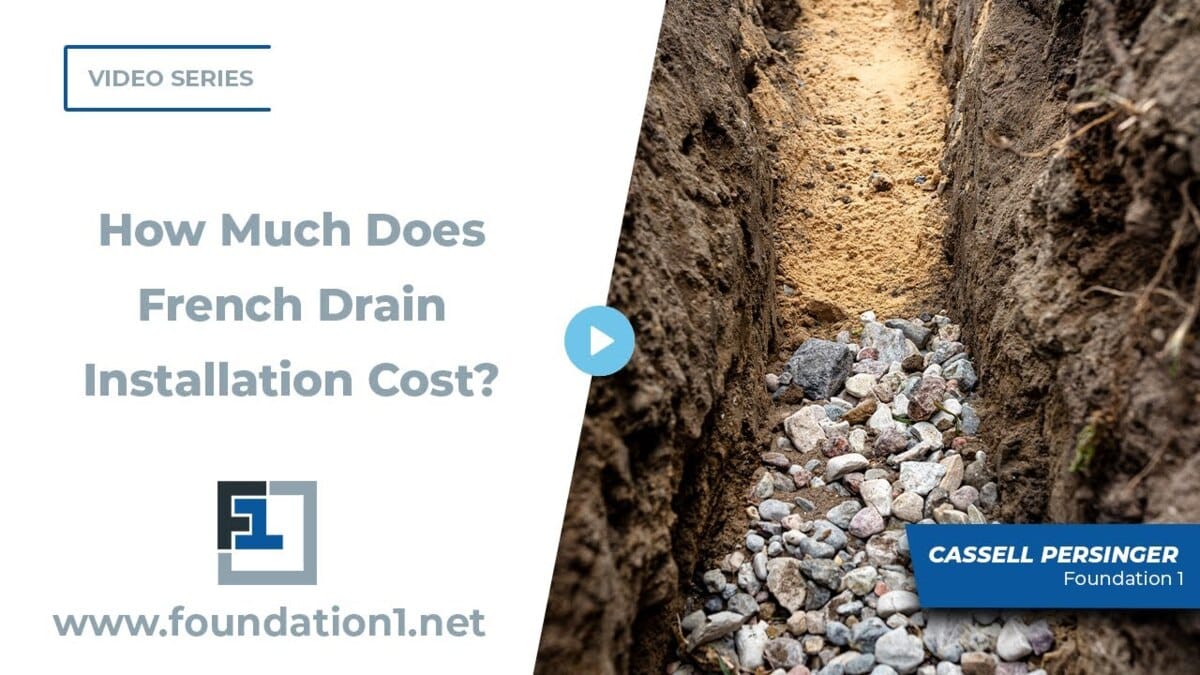
Most gutter drains sit about 7 inches below grade, though the exact depth depends on the size of the basin at each downspout. Set them too shallow and water pools against the house. Set them at the right depth, and the system disappears under the lawn while it carries runoff away from the foundation. Below, we break down the depth for common basin sizes, the parts that sit underground, and how to keep water moving away from your home.
How Deep Do Gutter Drains Need to Be?
The depth comes down to the basin. Larger basins sit lower in the ground, so the size you install decides how far down the bottom of the basin ends up.
Depth for a 6-Inch Basin
With a standard 6-inch basin, the bottom of the inlet sits 7 inches from the top of the basin. We set that inlet about 7 inches below grade, which puts the bottom of the basin at the right level for steady flow. That leaves roughly 3 inches on top for soil and grass, so the basin stays covered and the yard stays usable.
Depth for a 9-Inch Basin
A larger 9-inch basin has to sit lower. We go a little deeper with the buried line so the inlet and pipeline are up correctly, which keeps water moving through the system instead of backing up.
Pro Tip: Match your dig depth to your basin size before you break ground. A 6-inch basin runs about 7 inches below grade, and a 9-inch basin needs to go deeper.
Understanding the Basin Behind the Depth
The depth numbers make more sense once you know what sits in the ground and why it goes where it does.
What the Basin and Inlet Do
Every drain starts with a basin, the box that collects water from the downspout and feeds it into the buried pipe. The inlet is the opening where the water enters, and it sits a set distance below the top of the basin. That fixed gap between the inlet and the top is what links the basin you choose to the depth of the trench.
Why the Cover On Top Matters
The soil and grass on top of the basin do more than hide it. That cover lets the lawn grow over the drain, keeps the lid from becoming a tripping point, and lets you mow across it without catching the edge. Set the basin too high, and the cover gets thin, which leaves the lid exposed and the grass patchy. Set it at the right depth, and the drain stays out of sight while it works.
Need expert help with your gutter drains? Contact Foundation 1 for a free consultation.
Keeping Water Away from Your Foundation
Depth only pays off if the water actually leaves the area around your home.
Why Gutter Drains Should Not Empty at the Base
You do not want your gutters dumping water right next to the house. Water released at the base keeps moisture against the foundation, and over time, you will see erosion form near the downspout. Moving the discharge point away from the wall protects the soil and the structure.
Splash Guards and Buried Drainage
On homes with no elbow at the bottom of the downspout, a splash guard is a good first step. It gives the water something to hit, so it shoots out and away from the base. The best long-term fix is to bury the drainage and carry the water away, out of sight and well past the foundation.
Key Takeaway: A splash guard is a solid start, but burying the drainage at the right basin depth is the best way to move water away from your home.
Ready to Set Your Drainage at the Right Depth?
The right depth keeps water moving away from your foundation instead of pooling beside it, and it starts with the right basin set at the proper depth. If you want it done correctly the first time, our team is ready to design and install gutter drains that keep your home dry for years to come.