Gutter trouble rarely starts big. A small drip at a corner or one sagging section can grow into rotted fascia, soggy soil, and a wet basement within a few seasons. Knowing the signs you need new gutters helps you act before that water reaches your foundation.
Why Gutter Problems Turn Into Foundation Problems
One inch of rain on 1,000 square feet of roof produces about 620 gallons of water. Your gutters have to send all of it away from the house.
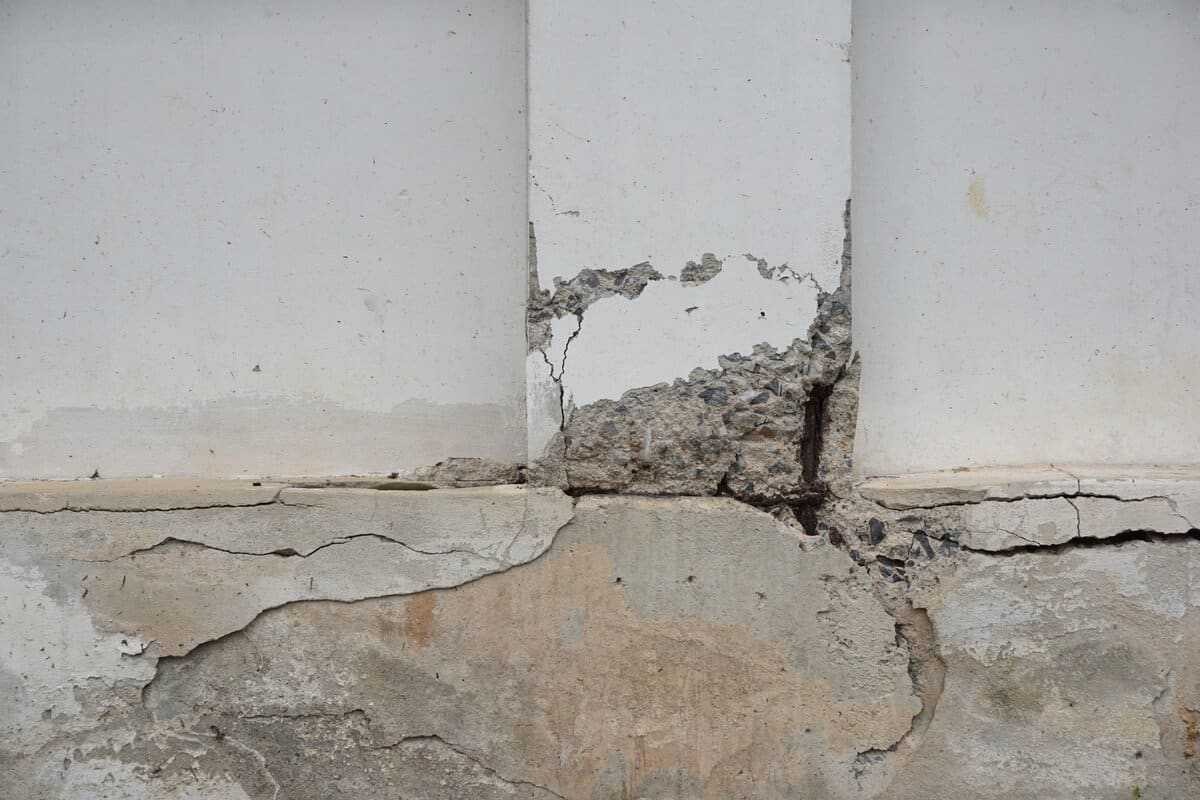
Many Kansas City homes sit on expansive clay soil. When that soil soaks up water, it swells and presses against basement walls. When it dries, it shrinks and pulls away. That cycle leads to cracks, bowing walls, and leaks.
Many of the cracked foundations and wet basements we inspect trace back to gutters that overflowed or drained too close to the house.
Key Takeaway: Your gutters are the first line of defense for your foundation. Fixing a gutter problem early costs far less than repairing the damage it causes below ground.
7 Signs You Need New Gutters
1. Leaks at Several Seams or Joints
Drips from multiple seams across different sections point to a system that is wearing out everywhere at once. Sealant won’t hold for long on joints that keep separating.
2. Long Sections Sagging or Pulling Away
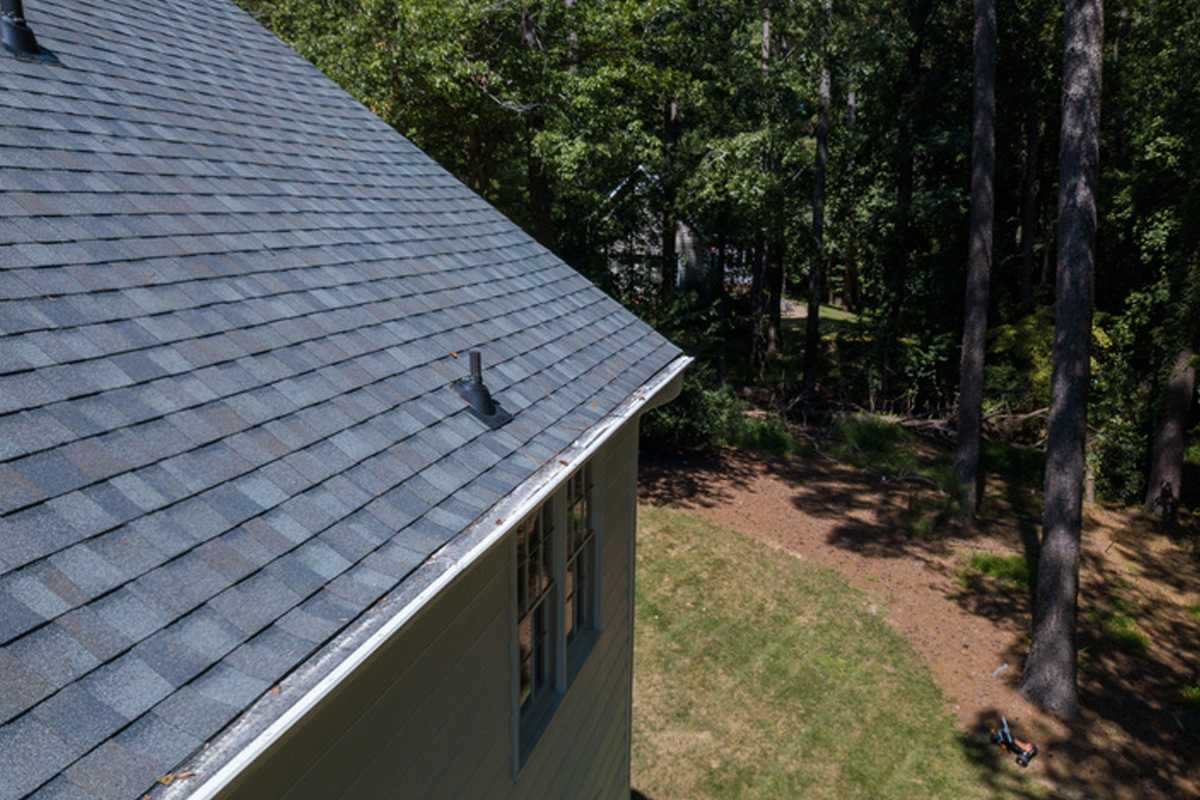
Gutters that bow along a full run or pull away from the fascia usually have failing fasteners. Older spike-and-ferrule systems are common offenders because the spikes work loose as the wood ages.
3. Rust, Holes, or Spreading Cracks
Small surface rust spots can be treated. Once rust eats through the metal or cracks wrap around the channel, patches won’t keep water contained.
4. Overflow Even When the Gutters Are Clean
If water spills over clean gutters during a storm, the system is likely undersized, pitched wrong, or short on downspouts. Many 5-inch gutters can’t keep up with heavy Kansas City downpours.
5. Rotted Fascia or Soffits
Soft, stained, or crumbling fascia means water has been getting behind the gutter for a while. The gutter has to come off to fix the wood, so replacing both at once usually makes sense.
6. Water Damage Around Your Home
Watch for these clues on the outside of your house and in the basement:
- Peeling paint or water streaks on siding
- Washed-out mulch or soil under the gutter line
- Puddles near the foundation after rain
- Damp basement walls, white chalky residue, or new cracks
7. Old Age and Frequent Repairs
If you’ve paid for three or more gutter repairs in the last couple of years, that money is better spent on a new system. The same goes for gutters near the end of their expected lifespan, which we cover below.
Pro Tip: Walk around your house during a steady rain. Overflow, drips behind the gutter, and pooling at downspouts are much easier to spot in action.
When Gutter Repairs Are Enough
A repair usually makes sense in these situations.
One Leaking Joint or End Cap
A single leaking seam can be cleaned, dried, and resealed if the rest of the run is in good shape.
A Few Loose Hangers
Re-securing two or three brackets works well when the fascia behind them is still solid.
Clogged Downspouts or Elbows
Leaves, seeds, and shingle grit pack into elbows fast. Clearing the blockage often stops overflow completely.
Minor Damage on a Newer System
A ladder dent or a hanger torn loose in a storm is a quick fix on gutters with plenty of life left.
Watch for band-aid fixes. Caulking the same rusty seam every spring or screwing hangers into soft wood only delays a bigger bill.
Repair or Replace? A Quick Comparison
| Problem | Repair If… | Replace If… |
|---|---|---|
| Leaks | One or two joints | Several seams or sections |
| Sagging | One short section, solid fascia | Long runs or rotted fascia |
| Rust or holes | Small surface spots | Rust-through or spreading holes |
| Overflow | Caused by clogs | Clean gutters still overflow |
| Age | Well within lifespan | Near or past end of life |
Not sure where your gutters fall? Contact Foundation 1 for a free inspection. We’ll look at your gutters, downspouts, and foundation together so you see the full picture before you spend anything.
How Long Do Gutters Last?
Material plays a big role in when to replace gutters. Typical ranges with regular maintenance:
| Material | Typical Lifespan | Notes |
|---|---|---|
| Vinyl | 10 to 20 years | Wears faster in wet climates |
| Aluminum | 20 to 30 years | Lightweight and rust-resistant |
| Galvanized steel | 15 to 20 years | Rusts once the zinc coating wears off |
| Copper | 50 years or more | Among the most expensive options |
Key Takeaway: An aging system with problems in more than one place is usually ready for replacement. A newer system with one issue usually just needs a repair.
How to Check Your Gutters in 10 Minutes
Spot the Signs You Need New Gutters From the Ground
- Sight down each run for dips, gaps, or sections pulling away.
- Check the fascia for stains, peeling paint, or soft spots.
- Look for erosion in the soil below the gutter line.
- Check basement walls near each downspout for dampness or cracks.
Test the Flow With a Garden Hose
- Run a hose into the gutter at the end farthest from the downspout.
- Watch for pooling, leaking seams, or water spilling over the front edge.
- Confirm the downspout empties at least 5 feet away from the foundation.
Standing water in the trough usually means the pitch is off. Gutters should slope toward the downspout at least 1/16 inch per foot of run.
Pro Tip: Never climb a ladder alone or set one on wet ground. For two-story homes or steep roofs, let a professional handle the close-up inspection.
Upgrades Worth Considering With Gutter Replacement
- Seamless gutters with fewer joints where leaks start
- 6-inch gutters and larger downspouts for heavy storms
- Downspout extensions or buried drain lines to carry water away from the house
- A French drain or sump pump if your yard or basement already holds water
Does Homeowners Insurance Cover Gutter Replacement?
Coverage usually applies to sudden damage, such as a fallen limb or a severe storm. Normal wear and age typically aren’t covered, so check your policy.
Protect Your Gutters and Your Foundation
A single leak or a few loose hangers can be repaired. Widespread leaks, sagging, rust, or chronic overflow mean it’s time for a new system.
Foundation 1 has served homeowners across the Kansas City metro since 2001. Explore our gutter installation services or contact us to schedule a free inspection. Our team will help you separate the true signs you need new gutters from the problems a quick repair can solve.