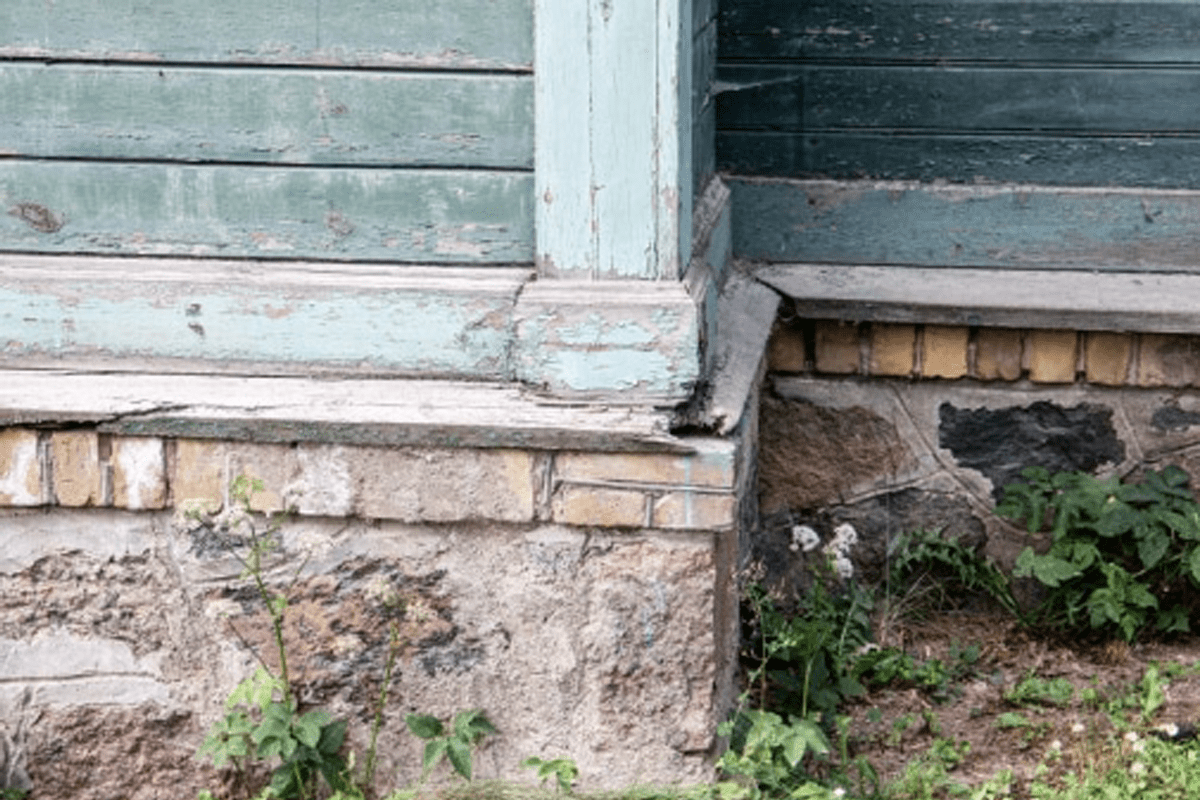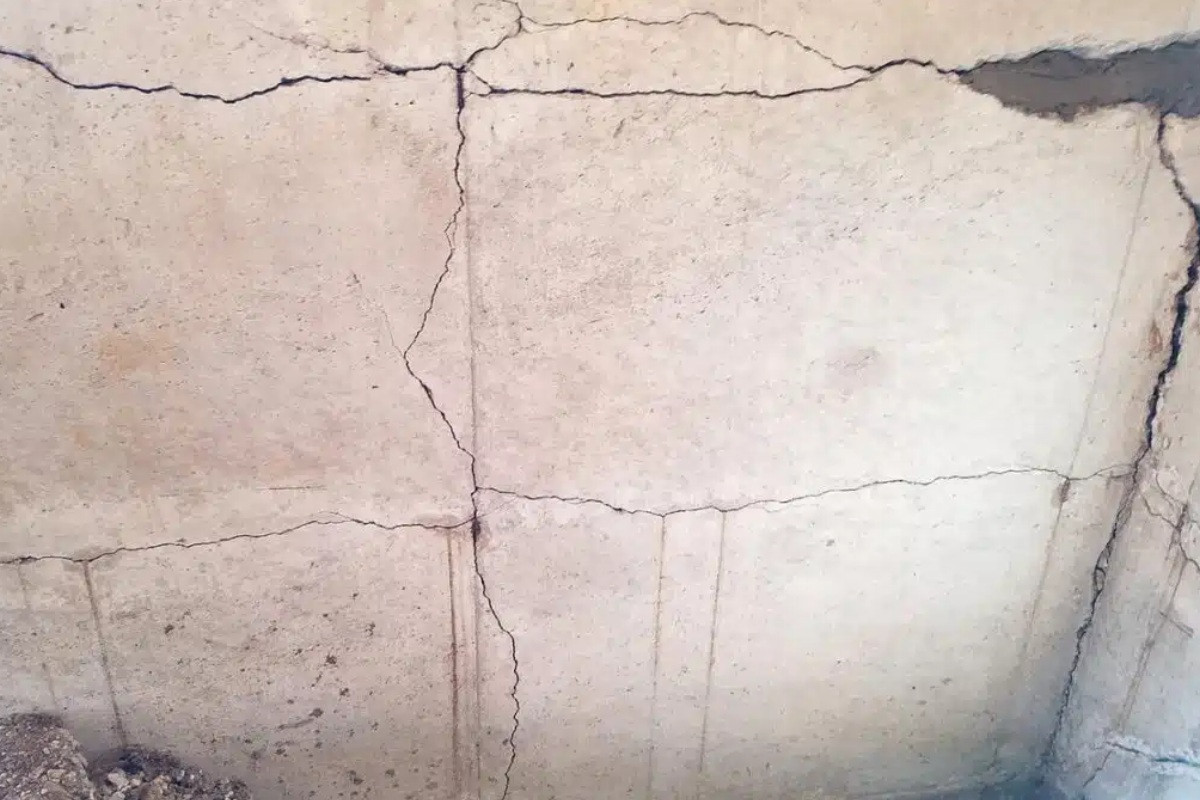
A bowing basement wall is a warning that your foundation is under strain. Soil and water put pressure on the outside of the wall, pushing it inward. Left untreated, this problem can lead to large cracks, water leaks, or even a full wall failure.
We see this most often in block or concrete walls. The common causes are hydrostatic pressure, poor drainage, or ground that slopes the wrong way. Each repair depends on how much the wall has moved and the style of foundation. Acting fast can prevent expensive repairs later.
What Causes Basement Walls to Bow?
Hydrostatic Pressure and Drainage
When water builds up around the base of a home, it creates hydrostatic pressure. This force presses on the wall until it bends inward. Poor gutters, clogged drains, or downspouts too close to the house often cause this issue.
Poor Grading Near the Foundation
If the yard slopes toward the house instead of away, water collects along the wall. Over time, soil swells and begins to push the basement wall inward.
Need expert help with a bowing basement wall? Contact Foundation 1 for a free consultation.
How to Fix a Bowing Basement Wall
Wall Braces for Support
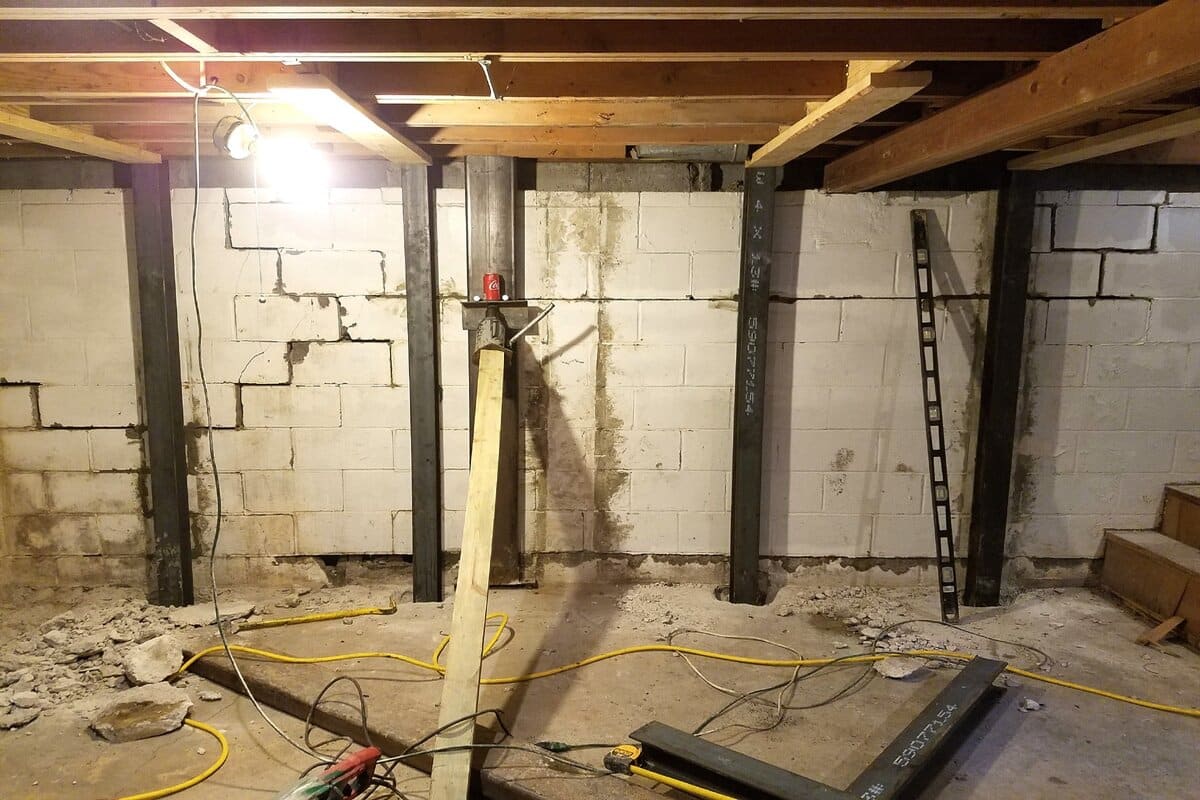
Steel wall braces are a common first step. They secure at the top and bottom to hold the wall in place. This is a solid choice when the wall is starting to move but not yet in danger of collapse.
Pro Tip: Braces must be installed by trained crews. If they tie into floor joists or the slab the wrong way, the wall can still shift and even pull on the home’s framing.
Excavation and Wall Reset
If the wall is badly bowed, excavation may be needed. Crews dig on the outside, push the wall back to plumb, and then secure it with braces. This method restores strength and gives lasting support.
When Tiebacks Are Needed
In walkout basements, braces alone won’t work. These walls do not have an opposite wall to push against. The right repair here is tiebacks.
Tiebacks are steel rods driven into stable soil away from the foundation. Once tightened, they anchor the wall and keep it from moving further.
Foundation Types and Repair Choices
- Stone Foundations: Thick stone walls (24–36 inches) can handle small bends without urgent concern.
- Block or Concrete Walls: Thinner walls need fast repair before cracks spread or the wall gives way.
Key Takeaway: Each foundation type needs its own solution. The wrong repair can cause more damage instead of fixing the issue.
Cost and Benefits of Repair
The cost depends on the method. Wall braces are often the least expensive fix. Excavation or tiebacks cost more, but they stop severe movement and keep the home safe.
Repairing early is always cheaper than waiting. A stable wall also reduces water seepage, protects property value, and gives peace of mind.
In Summary
Fixing a bowing basement wall starts with finding the root cause. Hydrostatic pressure, poor grading, and drainage issues are the most common factors. Braces, tiebacks, or excavation may be the right repair depending on your basement and wall type.
Our team has the experience to restore your foundation and stop wall movement for good. Contact Foundation 1 today to schedule your free inspection.