Mold in a crawlspace can weaken your home’s structure, trigger allergy symptoms, and lead to costly repairs if left untreated. It often starts with high humidity, water intrusion, or poor ventilation beneath the home. If you’ve noticed a musty odor or dark spots on wood, plastic, or insulation, mold is likely present and spreading. This guide explains what causes crawl space mold, how it’s professionally removed, and what steps help prevent it from returning.
What Causes Mold in a Crawlspace?
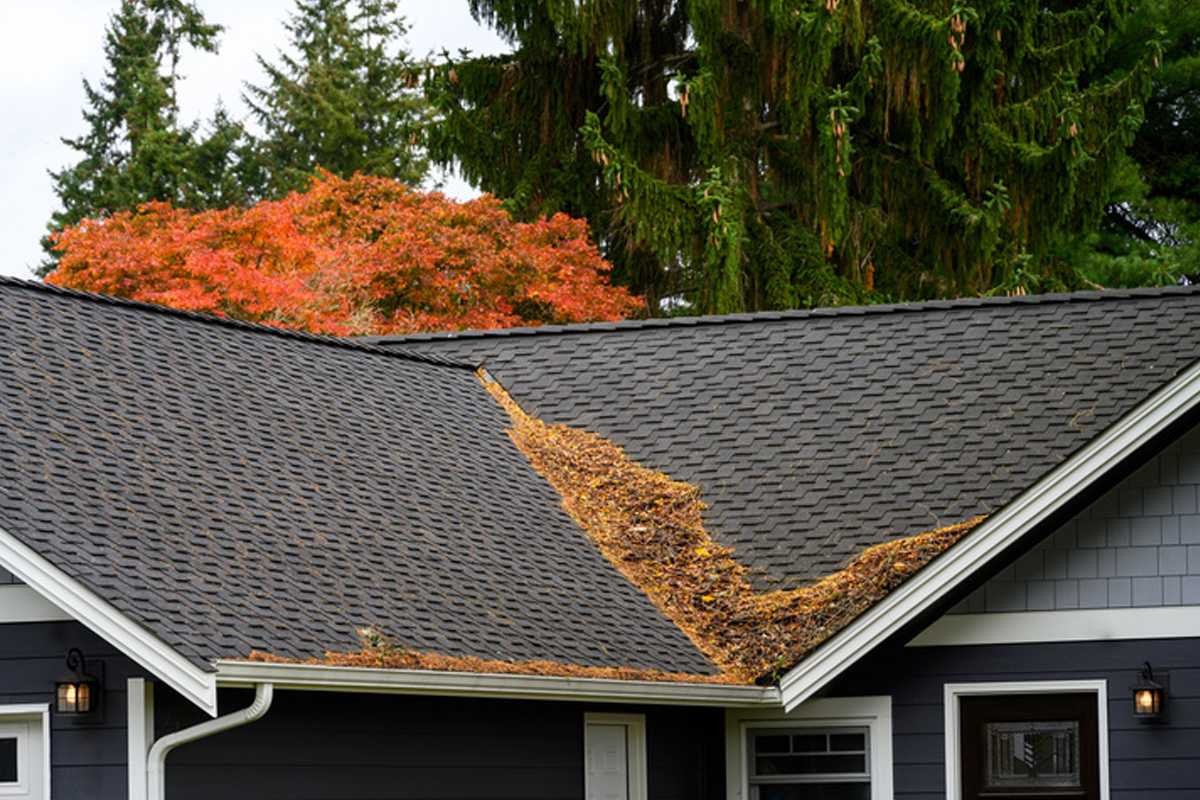
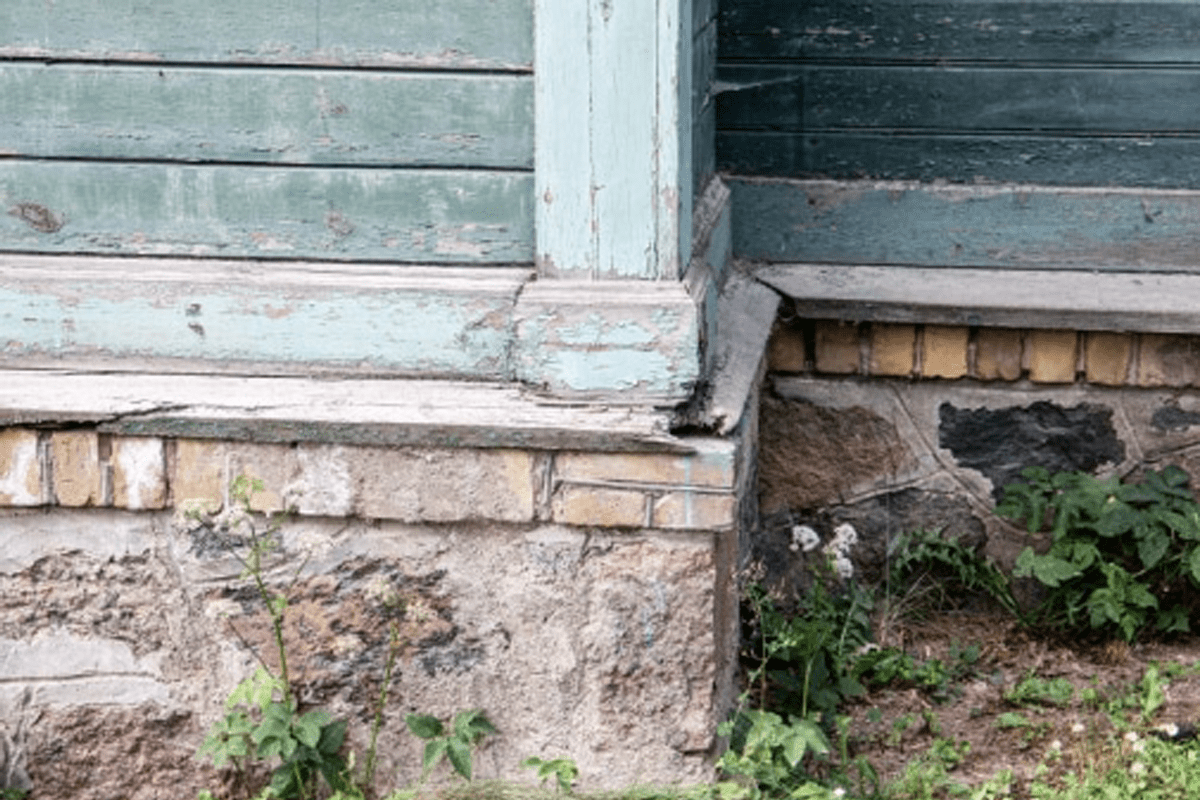
Poor Drainage Around the Foundation
If water doesn’t drain away from your home properly, it can soak into the soil and build up near the crawl space. That moisture gets trapped and creates the perfect place for mold to grow.
High Humidity and Moisture Build-Up
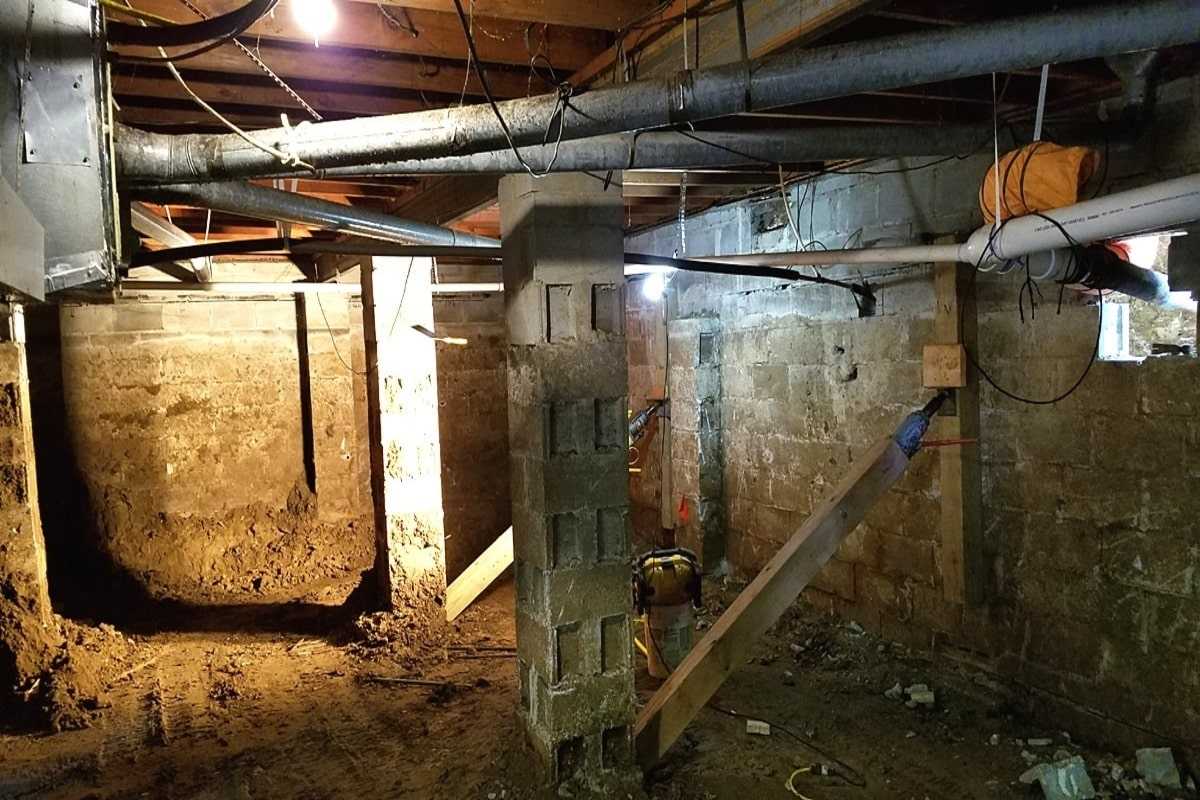
Crawl spaces often stay cool and damp. Without proper air movement or moisture control, humidity builds up and allows mold to spread on wood and insulation.
Plumbing Leaks or Groundwater Seepage
Even a small leak from a pipe or water line can feed mold growth over time. In some homes, rising groundwater during storms can enter the crawl space and cause recurring moisture issues.
Lack of Vapor Barrier or Insulation
A bare dirt floor in a crawl space allows moisture from the ground to rise into the space. Without a vapor barrier, that moisture gets into the air and keeps things damp.
Sump Pump Failure or Missing Drainage System
If you have a sump pump that fails or no drainage system at all, water can collect under your home. This creates the damp conditions that mold needs to thrive.
Signs of Mold in Crawlspaces
Musty Odors Inside the Home
A strong, musty smell is one of the first signs. It may come up through floor vents or seep into rooms above the crawl space.
Visible Mold Growth on Wood or Insulation
If you can access the crawl space, check for black, white, or green patches on beams, joists, or insulation.
Allergy or Respiratory Symptoms
Mold can cause coughing, sneezing, and breathing issues, especially for those with asthma or allergies.
Warped Floors or High Indoor Humidity
Moisture from the crawl space can move into the living area, making floors feel soft or causing higher humidity inside the home.
How to Remove Mold in a Crawlspace
When to Call a Mold Remediation Professional
If you see large areas of mold or smell strong odors throughout your home, it’s best to bring in a professional. We have the tools and training to remove mold safely and completely.
Safe DIY Mold Cleaning Methods
If the mold is small and contained, there are a few household products that may help.
- Vinegar: Spray it directly on the mold and let it sit before wiping.
- Baking Soda: Mix with water to scrub affected areas.
- Borax: A natural cleaner that helps remove and stop mold growth.
Why Surface Cleaning Isn’t Enough Without Moisture Control
Even if you clean the mold, it will come back if moisture is still present. That’s why we always fix the water problem first.
How to Prevent Mold in a Crawl Space
Install or Repair a Drainage System
We install surface drains, French drains, and downspout extensions to keep water away from your foundation. This helps stop moisture before it reaches the crawl space.
Use a Vapor Barrier or Crawl Space Encapsulation
We seal crawl spaces with a thick vapor barrier that blocks ground moisture. In some cases, we recommend full encapsulation for better protection.
Improve Crawl Space Ventilation
Adding vents or using fans can help air flow through the space and reduce humidity.
Add a Dehumidifier or Sump Pump (with Backup)
A dehumidifier keeps humidity under control, and a working sump pump removes standing water quickly. We always suggest adding a battery backup pump to avoid failure during storms.
Insulate Crawl Space Walls and Rim Joists
Insulation helps control temperature and reduces condensation. We use foam or rigid insulation that won’t hold moisture.
How Poor Drainage Leads to Mold and Foundation Damage
Hydrostatic Pressure Against Basement Walls
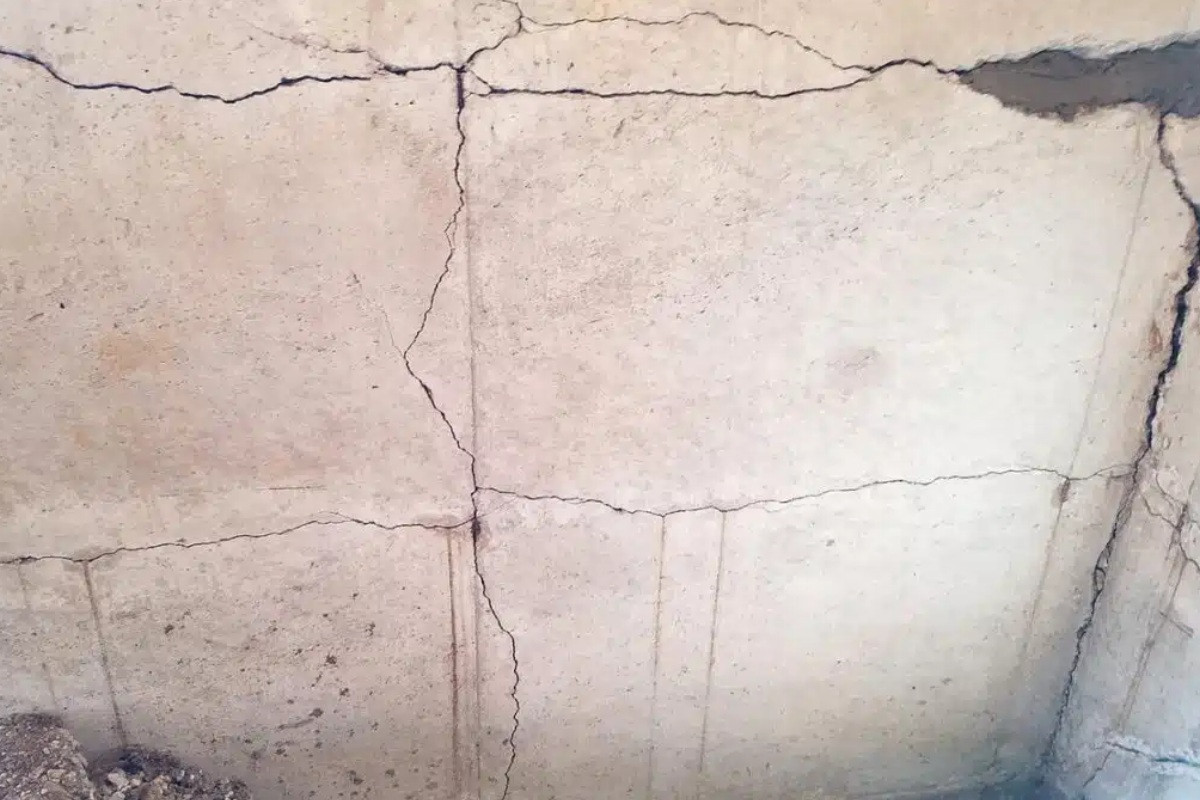
Water in the soil pushes against your foundation. This pressure can cause cracks, leaks, and mold in crawl space areas.
Standing Water After Heavy Rain
Without proper grading or drainage, rainwater may collect near your home and seep into the crawl space.
Soil Expansion and Settlement from Moisture
Wet soil expands and dry soil shrinks. These shifts can move your foundation and create gaps for water to enter.
Mold from Sump Pump Failures
What Causes a Sump Pump to Fail
Power loss, clogs, age, or poor setup are common causes of failure. A broken sump pump allows water to collect and feed mold growth.
Signs Your Sump Pump Isn’t Working
If you hear no sound during a storm or notice water standing in the pit, your pump may be broken.
How to Choose the Right Sump Pump System
We recommend high-capacity pumps with battery backups and long-lasting materials. We install pumps that can handle local rainfall and drain water away fast.
Our Crawl Space Mold Solutions at Foundation 1
Drainage and Waterproofing Services
We inspect your home and design a custom system to fix water problems. This may include drains, sump pumps, and grading.
Crawl Space Encapsulation
Our team seals off the crawl space with a heavy-duty barrier and adds any needed insulation or air systems.
Structural Repairs and Foundation Crack Sealing
If mold has damaged wood or if the foundation has cracks, we repair and seal those areas to stop future leaks.
Schedule a Free Inspection
If you’re dealing with mold in a crawlspace, contact us at Foundation 1. We’ll check your home and give you clear options to fix the issue for good.