Basement water problems are one of the most common concerns for homeowners. The fix usually comes down to picking between two types of drainage systems: interior or exterior. Each one has its own role in protecting your foundation from water damage.
Which option makes sense often depends on your home and budget. Interior drains are easier to add in unfinished spaces, while exterior systems stop water before it can get inside. Knowing the difference helps you plan the right solution.
What Are the Types of Drainage Systems?
Interior Drainage System
Interior systems sit inside the basement at the floor and wall edges. Water is collected in a drain tile and then carried away.
Key points:
- Less cost compared to exterior drains
- Works well in unfinished basements
- Finished basements need more work to install
If the space is finished, we often need to pull up floors and cut into walls. After the drain tile goes in, the area has to be rebuilt. This adds time and cost.
Pro Tip: If you are planning to finish your basement, install an interior drainage system first. It saves money in the long run.
Exterior Drainage System
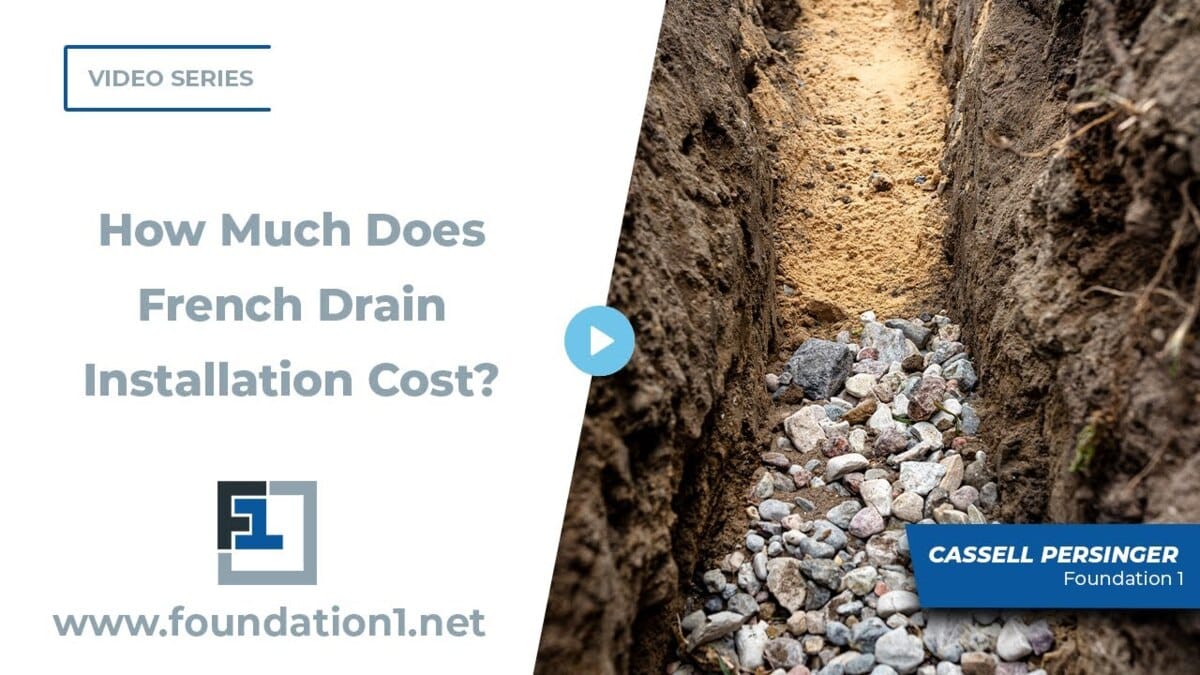
Exterior systems go outside the foundation. We dig around the house to install drain tile next to the footing. This moves water away before it gets inside.
Key points:
- More invasive since we dig into the yard
- Costs more than interior drains
- Stops water at the source
This choice works best if you want a full fix and don’t mind yard work. It protects the foundation directly but requires more labor.
Key Takeaway: Exterior drains are more complete, but they require digging and a higher cost.
Which Drainage System Fits Your Budget?
- Interior: Lower upfront cost. Extra expense if the basement is finished.
- Exterior: Higher cost, but protects the foundation before water gets in.
Need expert help with drainage systems? Contact Foundation 1 for a free consultation. We’ll review your basement and guide you to the best solution for your home.
Which Drainage System is More Invasive?
- Interior: Invasive only if the basement is finished, since walls and floors must be removed.
- Exterior: Always invasive because digging is needed around the foundation.
Both cause disruption, but the type of work depends on whether the project is inside or outside.
Why Choosing the Right Drainage System Matters
If water problems are ignored, basements can turn damp and unsafe. Mold and damage may spread, and in heavy rain, it can feel like living in a pond. The right system keeps your basement dry, protects the structure, and saves you from big repair bills later.
In Summary
The two main types of drainage systems are interior and exterior. Interior systems are more affordable and fit best with unfinished basements. Exterior systems cost more but stop water before it gets inside. Both protect your home, and the right one depends on your budget and how much disruption you can handle.
Contact Foundation 1 today for a free consultation. We’ll help you pick the right drainage system and keep your home safe and dry.