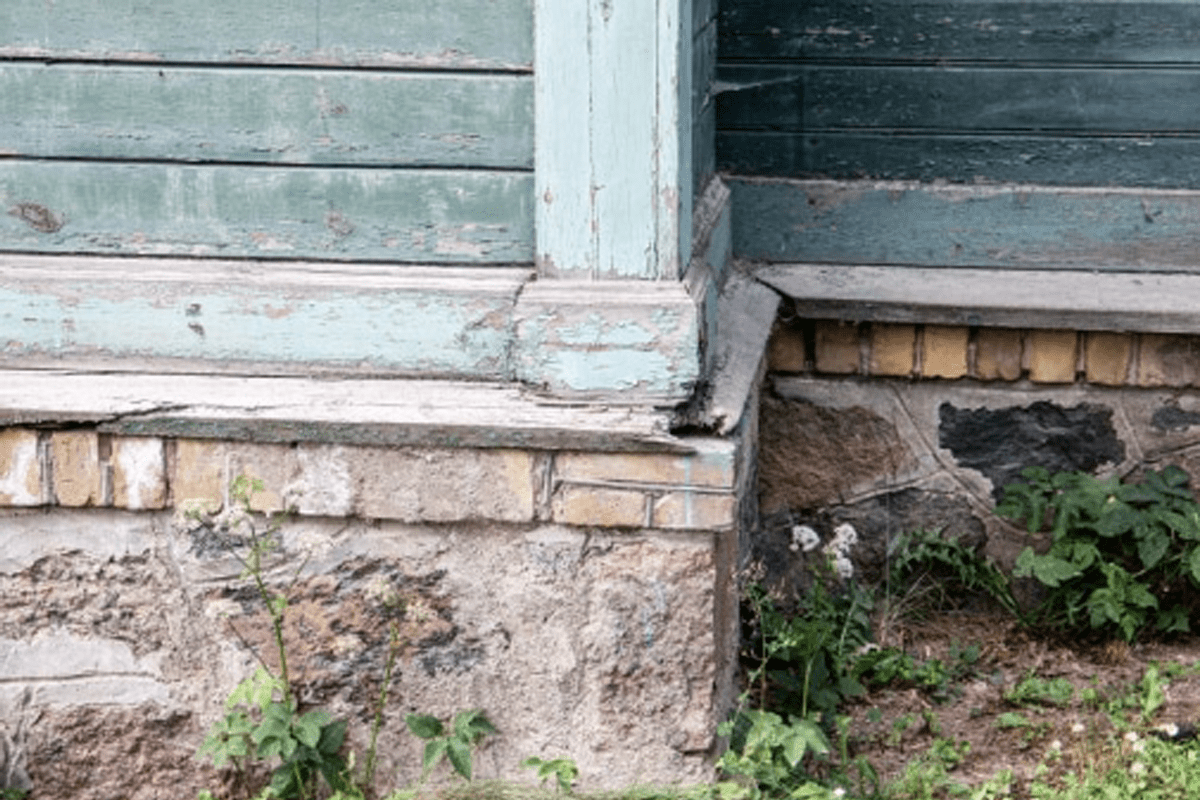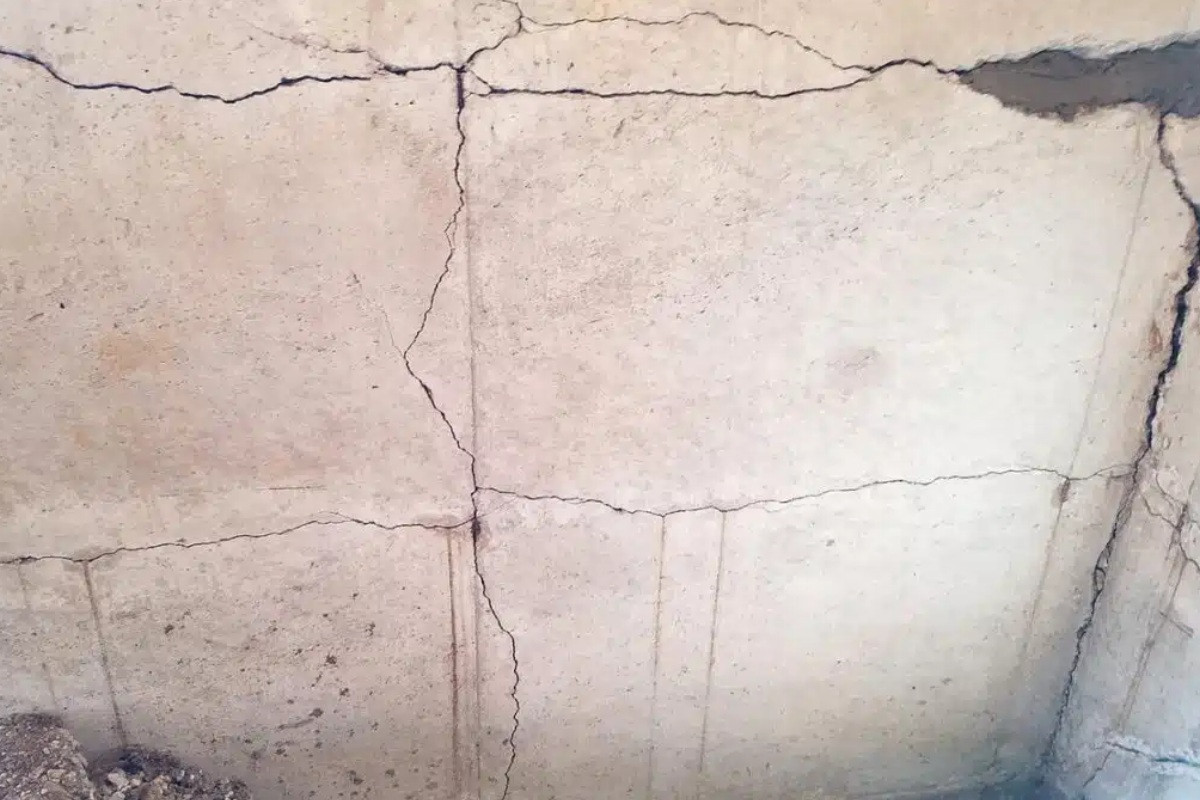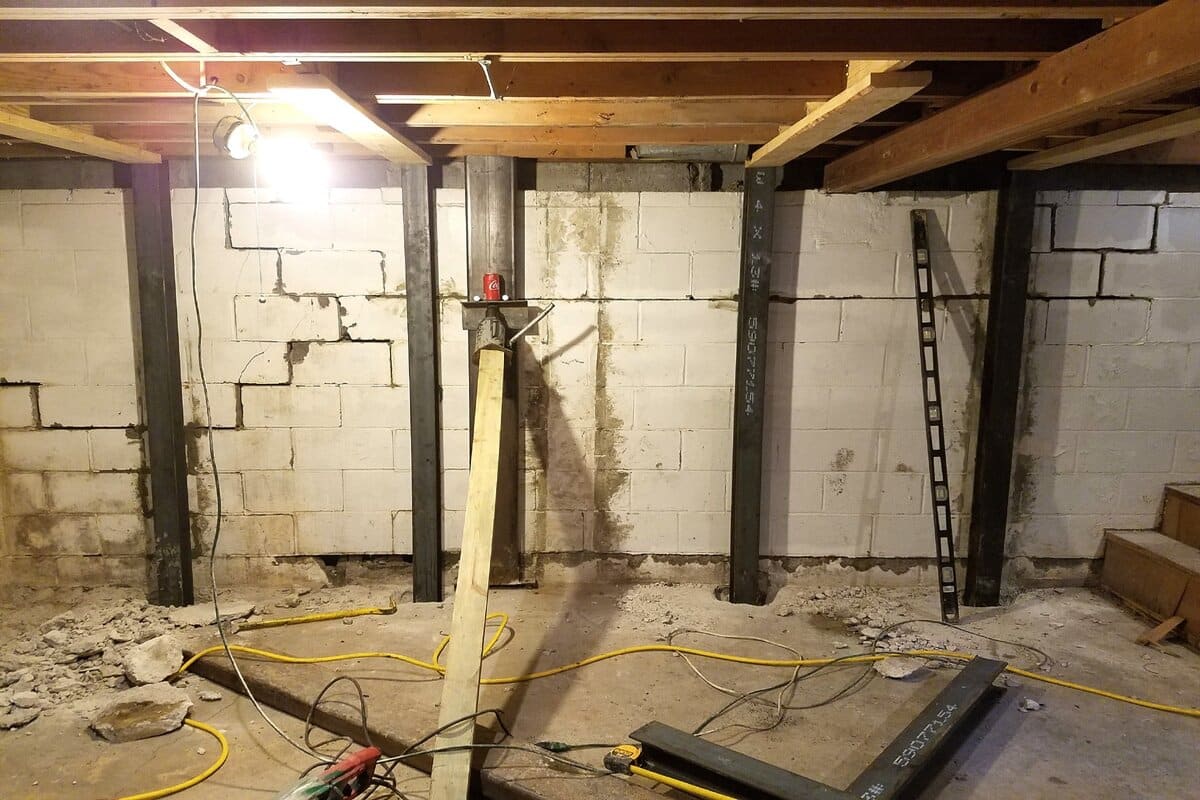
Plenty of homes built more than a hundred years ago still stand on their original stone, a clear sign of how durable this old building method can be. A stone foundation can hold up for well over a century when it is kept dry and maintained. What decides how long yours lasts is not the stone itself but the conditions around it. A few clear factors separate the foundations that endure from the ones that give owners trouble
Why a Stone Foundation Can Outlast Newer Builds
Stone foundations are the old way of doing things, and many of them have aged remarkably well. The gap between a solid one and a struggling one usually comes down to how it has been cared for over the decades.
Built for the Long Haul
Thick stone walls were built to carry serious weight, and the stone itself barely changes as the years pass. There is no wood to rot and very little seasonal movement, so the material easily outlasts many newer building materials. Handled properly, these walls keep doing their job for generations.
Why Some Hold Up Better Than Others
The outcome really varies from one house to the next. Three things explain most of that difference:
- The slope of the lot. Ground that drains away from the home is the first line of defense.
- Moisture against the wall. Water that collects and lingers against the stone is the fastest route to damage.
- Maintenance history. Regular upkeep adds years that neglect quietly takes away.
Get those three right, and time is on your side.
Key Takeaway: The stone rarely fails on its own. Water and missed maintenance are what shorten a foundation’s life.
Not sure what shape your foundation is in? Contact Foundation 1 for a free consultation.
How to Add Decades to Its Life
Most of what wears down an old foundation is preventable with a little routine attention. The goal is simple: keep the stone dry and keep the mortar intact.
Control the Water
Keeping water away from the stone does more for longevity than anything else. Focus on three quick wins:
- Clean your gutters so rain does not spill down the wall.
- Extend your downspouts several feet away from the foundation.
- Regrade the soil so it slopes away from the home.
Stay On Top of the Mortar
Tuckpointing means replacing worn mortar with fresh material that holds the stones in place. It remains one of the most reliable repairs for older masonry. Handled early, it stops small gaps from turning into real structural trouble.
Pro Tip: Drag a screwdriver across a mortar joint. If it crumbles or flakes away easily, it is time to schedule tuckpointing.
The Foundation 1 Difference
Older stone homes call for a contractor who knows exactly when the wall needs attention and when it can safely wait.
Experience You Can Lean On
We have worked on stone foundations across plenty of older properties, so we know the struggles owners run into. We treat each one the way we would treat our own. That experience leads to practical recommendations rather than unnecessary work.
A Clear Look at Your Stone Foundation
We check the grading, the drainage, and the mortar, then walk you through exactly what we find. We pay particular attention to where water reaches the wall and to any joints where the mortar has started to give way, since those two issues drive nearly every repair. No pressure and no padded scope, just a clear picture of where things stand.
Key Takeaway: A clear, honest inspection protects your budget as much as your home, because you only pay to fix what actually needs fixing.
An older home does not need a brand-new base to stay safe and steady. With sound drainage, timely mortar work, and a team that respects how these houses were built, decades of reliable service are entirely achievable. Reach out to Foundation 1 today to schedule your free inspection and protect the life of your stone foundation.