Most foundation damage starts with one preventable issue, and that’s bad downspout drainage. Water pours off the roof, hits the ground at the base of the house, and slowly washes away the soil your foundation sits on. Over time, that soil loss leads to settling, pressure, and structural problems. The best downspout drainage option carries that water far enough from the home to keep the surrounding soil stable, without disrupting the moisture levels your foundation needs.
Why Downspout Drainage Matters
Gutters and downspouts work together. When one fails, the other cannot do its job. Water that pours out at the base of the home has to go somewhere, and without a drainage plan in place, it starts cutting into the soil around your foundation.
That creates issues most homeowners do not catch until they show up as visible damage.
Erosion is the First Warning Sign
You will often notice water washing away from the downspout area or visible soil loss along the foundation. If the ground starts shifting back toward the home, that is no longer a yard issue. It is a foundational issue.
Too Much or Too Little Moisture Both Cause Problems
The goal is balance. You do not want to starve the foundation of moisture, but you also do not want to overload it with water from every storm. The gray area in between is where good downspout drainage becomes critical.
Key Takeaway: Visible erosion around your downspouts is a clear sign your drainage is not doing its job.
The Best Downspout Drainage Option: Buried Drains
In most cases, the best fix is to bury the downspouts. This carries water away from the home in a controlled path and prevents the soil disruption that causes long-term damage.
How We Install Buried Drainage
We typically bury downspout drains 10 to 15 feet from the home and connect them to a 6-inch basin at the end of the run. When multiple downspouts feed into one line, we size the drainage pipe and the basin up to handle the extra volume so nothing backs up during heavy rain.
Why the Basin Design Matters
We put a hole in the bottom of each basin and add a gravel bed underneath. This lets the water dissipate slowly into the yard rather than sitting on top. The added benefit is mosquito control. Standing water gives mosquitoes a place to breed, and a gravel-bottom basin removes that opportunity.
Need expert help finding the best downspout drainage option for your home? Contact Foundation 1 for a free consultation.
Signs Your Downspouts Need Attention
Even a good system can fail over time as basins clog, pipes settle, or soil shifts. Knowing what to look for keeps small issues from turning into structural problems.
Signs You Need the Best Downspout Drainage Option
Walk your property after a heavy rain and check for:
- Pooling water near downspouts
- Soft or muddy soil around the foundation
- Visible erosion lines in the yard
- Mulch or topsoil washing away from beds
- Water marks on the home’s siding or lower foundation wall
If you spot any of these, your downspouts are no longer carrying water where it needs to go.
Soil Movement Back Toward the Home
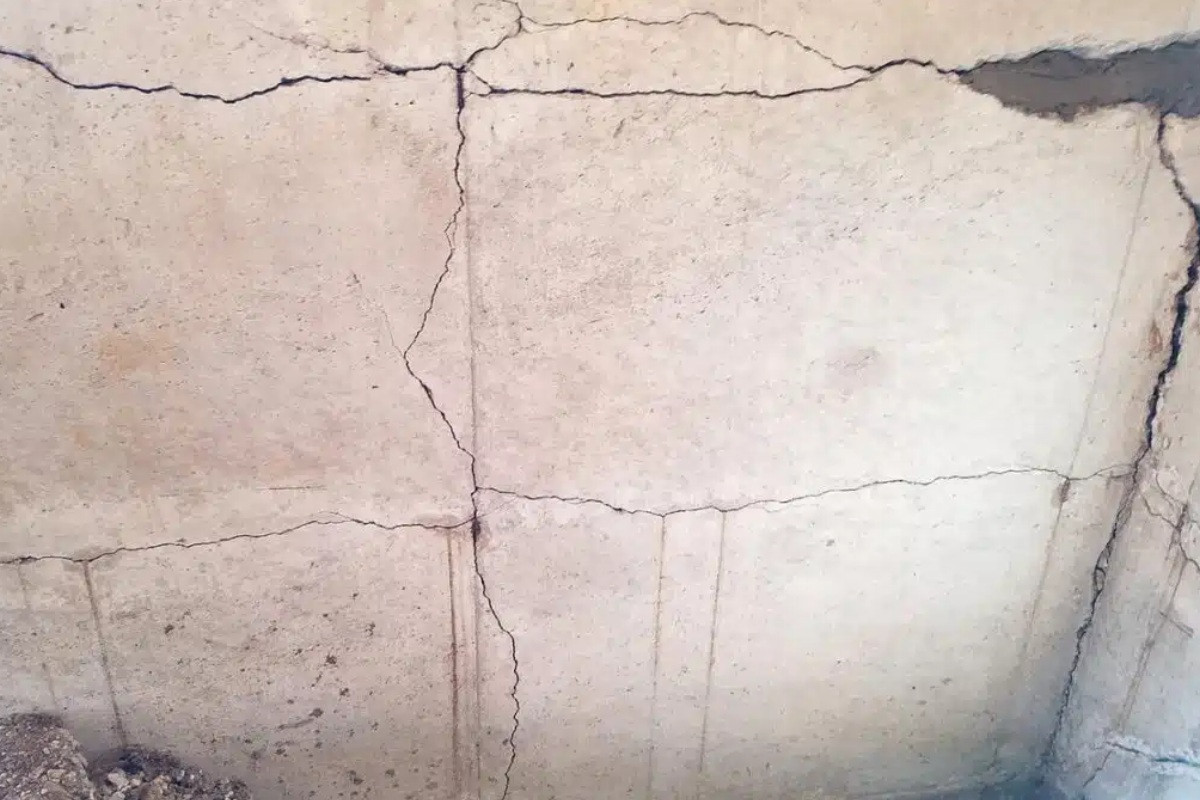
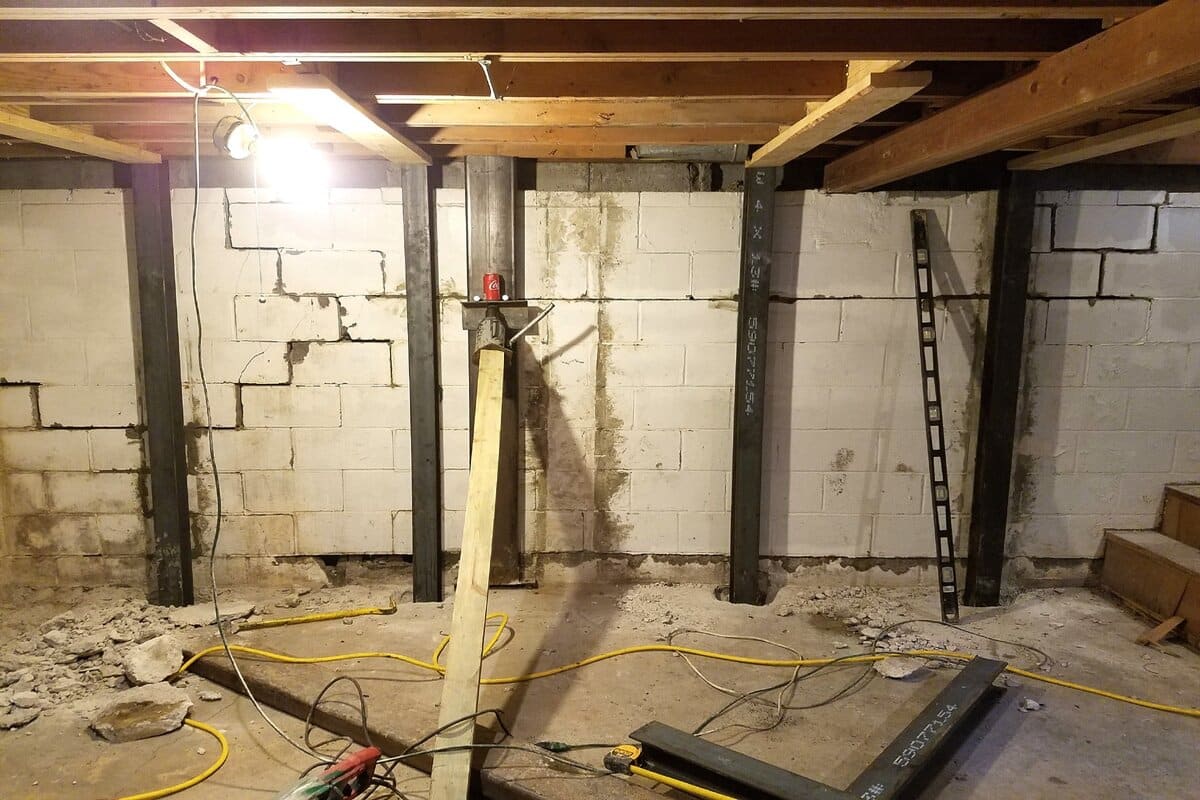
When ground movement is bad enough that soil begins shifting back toward the foundation, the problem is no longer cosmetic. That kind of pressure on the foundation needs to be corrected quickly before structural damage starts.
Pro Tip: Check your downspouts during the rain, not after. Watching the system in action shows you exactly where water is going and where it is failing.
Protect Your Foundation the Right Way
Buried drains, properly sized basins, and a gravel bed are a proven combination for keeping water out of the wrong places. Call Foundation 1 today to schedule a free consultation and find the best downspout drainage option for your home.